Type 6
Enneagram sx-6: The Fearless Front
What a One-to-One Six (sx-6) is: a Type 6 who faces fear head on and can seem bold or strong. Strengths, struggles, relationships, stress and growth.
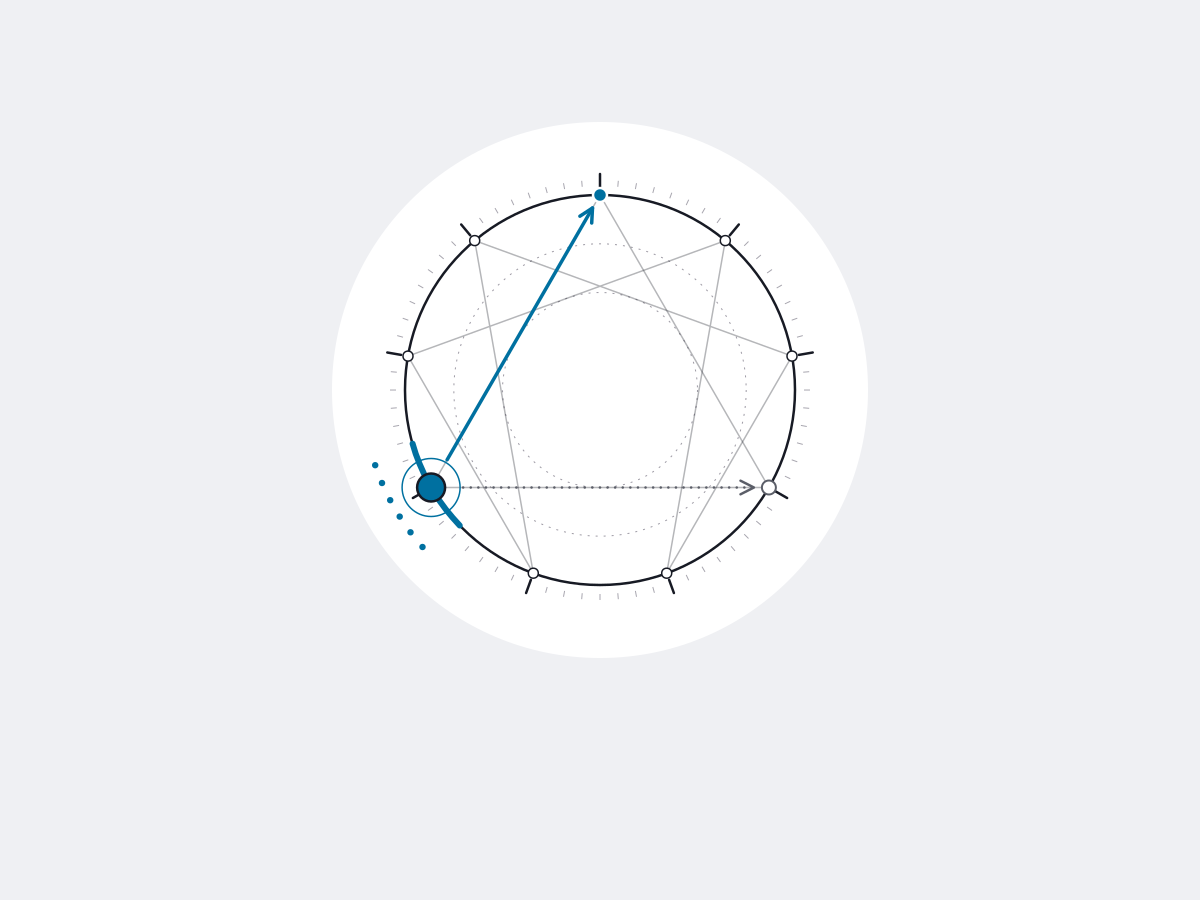
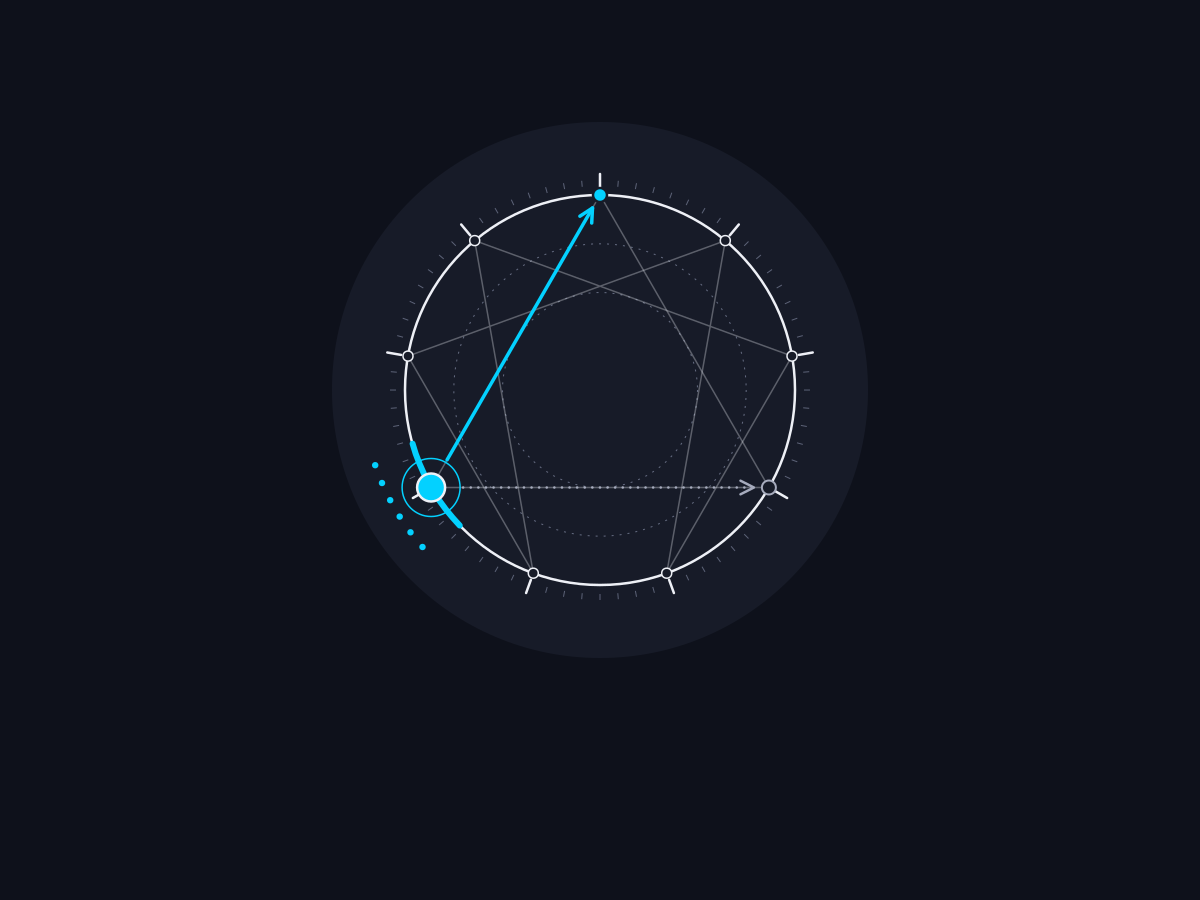
sx-6 is the One-to-One subtype of Type 6. These Sixes face fear by moving toward it. They often come across as bold, strong or even daring, and they can be fiercely loyal and protective of the people closest to them.
What is a One-to-One Six?
A One-to-One Six is a Type 6 whose leading instinct is One-to-One, sometimes called sexual. Instead of avoiding what scares them, they tend to confront it. Many seem strong, intense or rebellious. They are often deeply loyal and protective in close bonds. Underneath the bold front, the same worry as other Sixes is usually at work.
Picture someone who is afraid of heights and signs up for a rock-climbing course, or who walks straight into a tense meeting to have it out. Waiting with the fear feels worse than facing it. Strength becomes a way to feel safe.
The core is Type 6, The Steadfast, the type that seeks security and wrestles with doubt. One-to-One is our name for the instinct often called sexual, because it is about intense bonds of every kind. The subtype model comes from Claudio Naranjo; this description is our own.
How is sx-6 different from sp-6 and so-6?
All Sixes manage fear and seek safety. The sx-6 meets fear by facing it with strength or boldness. The sp-6 seeks protection in warm allies and a secure home. The so-6 seeks it in rules and roles. The sx-6 is often the least obviously fearful Six, and may be mistaken for an Eight.
A Self-Preservation Six tends to voice worry and look for allies. A Social Six tends to look for clear guidelines. The One-to-One Six is more likely to take a deep breath and charge straight at the problem.
| Situation | What an sx-6 may do |
|---|---|
| Feeling threatened | Moves toward the threat, not away |
| Facing doubt | Tests themselves with a challenge |
| Close bonds | Protects loved ones fiercely |
| Authority | Questions or challenges it openly |
| Showing fear | Hides it behind strength |
What are the strengths of a One-to-One Six?
Many One-to-One Sixes are brave, loyal and protective. They act decisively in a crisis. They stand up for people who cannot stand up for themselves. Their intensity can be inspiring, and their honesty means you know where you stand. In close bonds, they are passionate and steadfast partners.
- Courage in the face of danger
- Fierce loyalty and protection
- Quick, decisive action under pressure
- Willingness to challenge unfair authority
- Passion and intensity in close bonds
What do One-to-One Sixes struggle with?
A One-to-One Six can struggle with recklessness and suspicion. They may take risks to prove they are not afraid. They can be quick to see threats and slow to trust. Some push people away by testing them or by starting conflict before it can find them. Their bold front can hide real anxiety.
Admitting fear can feel like weakness to them. Yet naming it is often what lets them choose a response rather than just react.
How does an sx-6 act in close relationships?
In close relationships, a One-to-One Six is passionate, loyal and protective. They may test a partner's trust and look for signs of betrayal. They can be intense in both love and conflict. Closeness grows when the sx-6 shares the fear under their strength and lets a partner reassure them.
A helpful line is "I'm acting tough right now because I'm scared." Partners can help by staying steady during tests and by showing loyalty through clear actions.
What happens to a One-to-One Six under stress?
Under stress, Sixes often move toward traits of Type 3 on their stress line. A stressed sx-6 may push hard to look strong, competent or attractive, and hide any sign of weakness. They may chase wins to quiet doubt. Slowing down and admitting fear to a trusted person usually helps.
The Type 3 guide shows that drive to look capable. Warning signs include picking fights or taking risks just to feel in control.
How can a One-to-One Six grow?
Growth for a One-to-One Six often means finding courage that does not need a fight. Along the growth line, Sixes move toward Type 9 traits: calm, trust and openness. A helpful habit is to pause when you feel the urge to confront, breathe, and ask what you are afraid of.
- Name the fear before acting on it.
- Let someone help you instead of handling it alone.
- Choose rest over a challenge once a week.
- Assume good intent once a day.
See the Type 9 guide for the calm this growth line points to.
How do I know if I am a One-to-One Six?
You may be a One-to-One Six if Type 6 fits you and you tend to face fear head on. Notice whether you test yourself against risk, challenge authority and protect your people fiercely. If acting strong feels safer than waiting, and doubt still runs underneath, consider sx-6.
Compare 6w5 and 6w7 to see how your wing colors this subtype. Our guide to Self-Preservation, Social and One-to-One explains the three drives. If your type is still unclear, start with the test.
Frequently asked questions
What is an sx-6?
An sx-6 is a Type 6, the Steadfast, who leads with the One-to-One instinct, sometimes called sexual. They tend to face fear head on and can come across as bold.
Why do sx-6s seem fearless?
Many sx-6s cope with fear by confronting it. Acting strong can feel safer than waiting, so they may look brave even when they feel anxious inside.
Can sx-6s be mistaken for Type 8?
Yes. Both can look strong and direct. An sx-6 is usually driven by managing fear, while an Eight is usually driven by a wish to stay in control.
How do I know if I am an sx-6?
If Type 6 fits you and you tend to push toward what scares you, test yourself against risk and protect your people fiercely, you may lead with One-to-One.