Type 6
Enneagram 6w5: Loyal and Watchful
What a 6w5 is: a Type 6 with a Type 5 wing. How it differs from 6w7, plus strengths, struggles, relationships, work style, stress and growth.
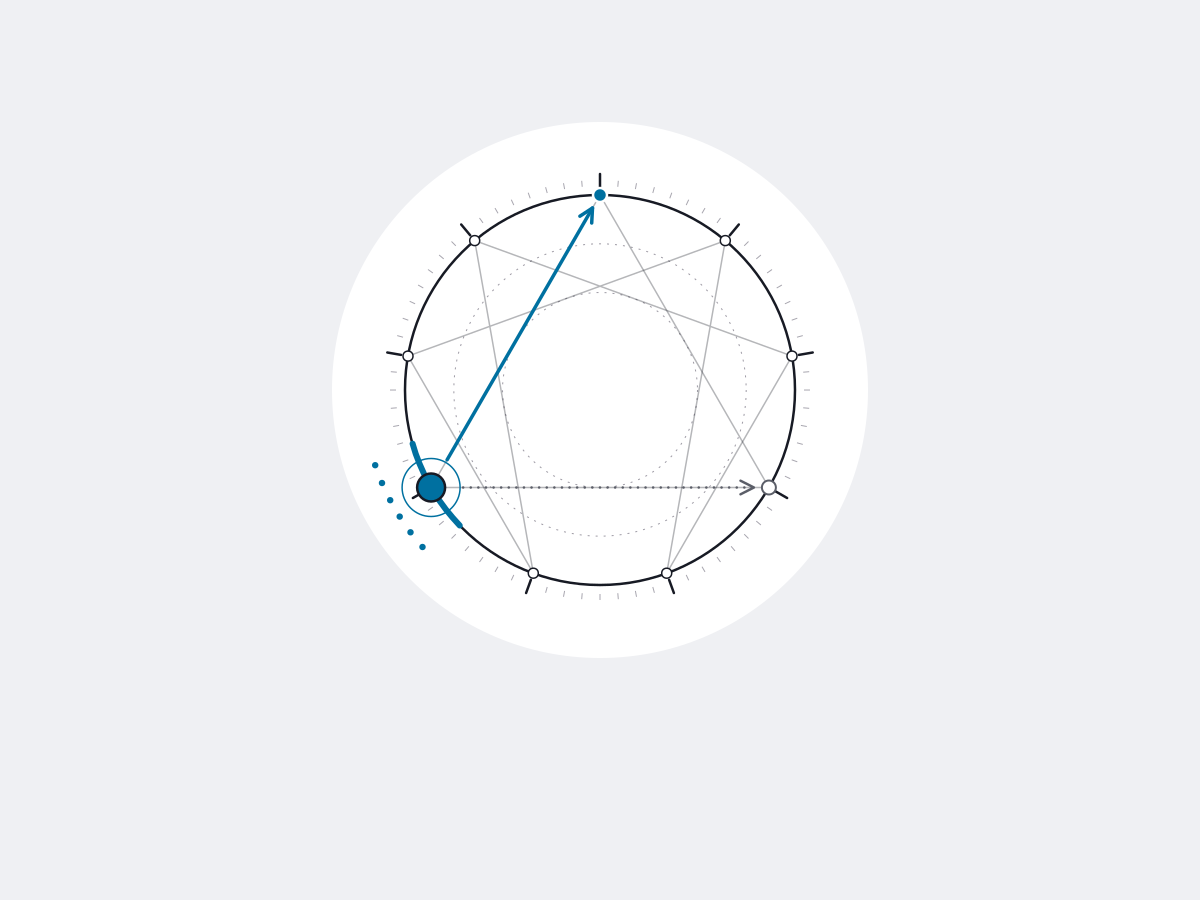

6w5 is a Type 6 with a Type 5 wing. The Six's search for security meets the Five's need to understand, so this blend often handles uncertainty through research, careful planning and loyalty to proven allies.
What is a 6w5?
A 6w5 is a Type 6 who also draws on Type 5 traits. They want safety and trustworthy ground, and the Five wing adds a thoughtful, analytical and independent streak. Many 6w5s are serious, skeptical and well informed. They test people and ideas carefully, and once they commit, they are deeply loyal.
Picture a union representative who reads every page of the contract, notes each clause that could hurt members, and then shows up to the meeting calm, prepared and impossible to bluff. Their loyalty runs to the group. Their method is careful study.
The core is Type 6, The Steadfast, the type that scans for risk and looks for something solid to rely on. The Five wing turns that search inward toward knowledge and self-reliance. Many 6w5s trust facts more than feelings and prefer to check things for themselves.
How is 6w5 different from 6w7?
A 6w5 and a 6w7 share the Type 6 need for security and trust. A 6w5 tends to be more reserved, intellectual and self-reliant, managing worry through analysis. A 6w7 tends to be more outgoing and lighthearted, managing worry through friends, humor and activity. The 6w5 often keeps a smaller circle.
| Trait | 6w5 | 6w7 |
|---|---|---|
| Energy | Serious, focused, reserved | Friendly, busy, playful |
| Handles worry by | Studying and planning | Talking and staying active |
| Strength | Well-prepared, steady loyalty | Warm, supportive team spirit |
| With authority | Questions it closely | Tests it with humor or pushback |
| Growth edge | Trusting their own judgment | Slowing down to face fears |
When news breaks, the 6w5 reads three sources and checks the facts. The 6w7 texts five friends to see what they think and how they feel.
What are the strengths of a 6w5?
Many 6w5s bring preparation, clear thinking and steady loyalty. They anticipate problems before others do and plan for them. They tend to be principled, honest and protective of the people in their care. Their skepticism helps groups avoid bad decisions, and their calm in a real crisis can surprise people.
- Careful preparation and backup plans
- Sharp analysis of risks and weak points
- Deep loyalty to trusted people and causes
- Honest questions that improve group decisions
- Calm, practical action in emergencies
What does a 6w5 struggle with?
A 6w5 can struggle with suspicion and overthinking. They may assume the worst about people's motives or keep planning instead of acting. The Five wing can add withdrawal, so they may handle fears alone rather than reaching out. Many find it hard to trust their own inner sense of what is right.
Some 6w5s swing between leaning on an authority or expert and rejecting that same authority when it disappoints them. Others keep a private list of what could go wrong that nobody else sees. Saying those fears aloud often shrinks them.
How does a 6w5 show up in relationships?
In relationships, a 6w5 is often devoted, protective and reliable once trust is built. They may take time to open up and may test a partner's commitment in subtle ways. Closeness grows when the partner is consistent and honest, and when the 6w5 shares worries instead of quietly guarding against them.
Partners can help by keeping promises, explaining changes in plans, and not mocking the 6w5's caution. A 6w5 can help in turn by asking direct questions instead of searching for hidden meanings in small things.
What is a 6w5 like at work?
At work, many 6w5s thrive in roles that value careful thinking and reliability, such as engineering, law, research, safety, finance or technical support. They are thorough and dependable. They may struggle with leaders they do not trust, with sudden changes made without explanation, and with roles that reward bluffing over real competence.
A 6w5 often does their best work when they know the plan and the reasons behind it. Inviting them to point out risks early, and taking those points seriously, builds their trust and improves the team's work.
How does a 6w5 handle stress?
Under stress, Sixes often take on traits of Type 3. A stressed 6w5 may throw themselves into work and try to look in control while feeling anxious inside. The Five wing can add isolation and a flood of worst-case thinking. Talking it through with a trusted person and moving their body usually helps.
Warning signs include checking and rechecking work, doubting decisions that were already made, and pulling away from close friends. A short list of what is actually known, versus what is feared, can help sort real risks from imagined ones.
How can a 6w5 grow?
Growth for a 6w5 often means trusting their inner guidance and loosening their grip on worst-case plans. On their growth line, Sixes move toward Type 9, which brings calm and steady trust. A helpful habit is to notice fear, breathe, and ask, "What do I actually know right now?"
- Make one decision this week without asking anyone else first.
- Write down a worry, then write the most likely outcome next to it.
- Share a fear with someone you trust instead of solving it alone.
- Spend time in a calm, physical activity like walking or swimming.
How do I know if I am a 6w5?
You may be a 6w5 if your core focus is on safety, trust and preparing for what could go wrong, and you handle that by researching, planning and keeping to yourself. If you are loyal but skeptical, the Five wing may be strong. Confirm Type 6 fits before looking at wings.
Read the full Type 6, The Steadfast hub and compare it with Type 5, since 6w5s and 5w6s are often confused. Then take the test to find your core type; your result shows how strongly each wing shows up in your answers.
Move the slider to see which wing shapes the type more.
Leaning toward 6w5
6w5
A 6w5 is a Type 6 who leans toward Type 5. Many are serious, analytical and fiercely loyal to the people and causes they trust. They prepare carefully and question authority until it earns their confidence. They grow by trusting their own judgment and by letting calm, not fear, guide their choices.
Read more about 6w56w7
A 6w7 is a Type 6 who leans toward Type 7. Many are friendly, funny and loyal, and they build strong networks of people they can count on. Humor and activity help them handle worry. They grow by facing fears directly, trusting their own decisions and slowing down instead of staying busy.
Read more about 6w7Frequently asked questions
What is a 6w5?
A 6w5 is a Type 6, the Steadfast, with a Type 5 wing. They look for security and trust, and the Five wing adds independence, analysis and a more reserved style.
How is 6w5 different from 6w7?
A 6w5 tends to be more serious, private and analytical. A 6w7 tends to be more social, playful and quick to seek support from friends.
Are 6w5s skeptical?
Many are. They like to test ideas and people before trusting them. Once trust is earned, they are often very loyal.
Can my wing change?
Your core type tends to stay stable, and the balance between your wings can shift with age and setting. Both wings are available to you.
How do I know which wing I have?
If you handle worry by researching, planning and keeping to yourself, you may lean 6w5. If you handle it by talking with friends and staying busy, you may lean 6w7.