Type 6
Enneagram so-6: The Rulebook Guardian
What a Social Six (so-6) is: a Type 6 who finds security in clear rules, roles and shared beliefs. Strengths, struggles, relationships, stress and growth.
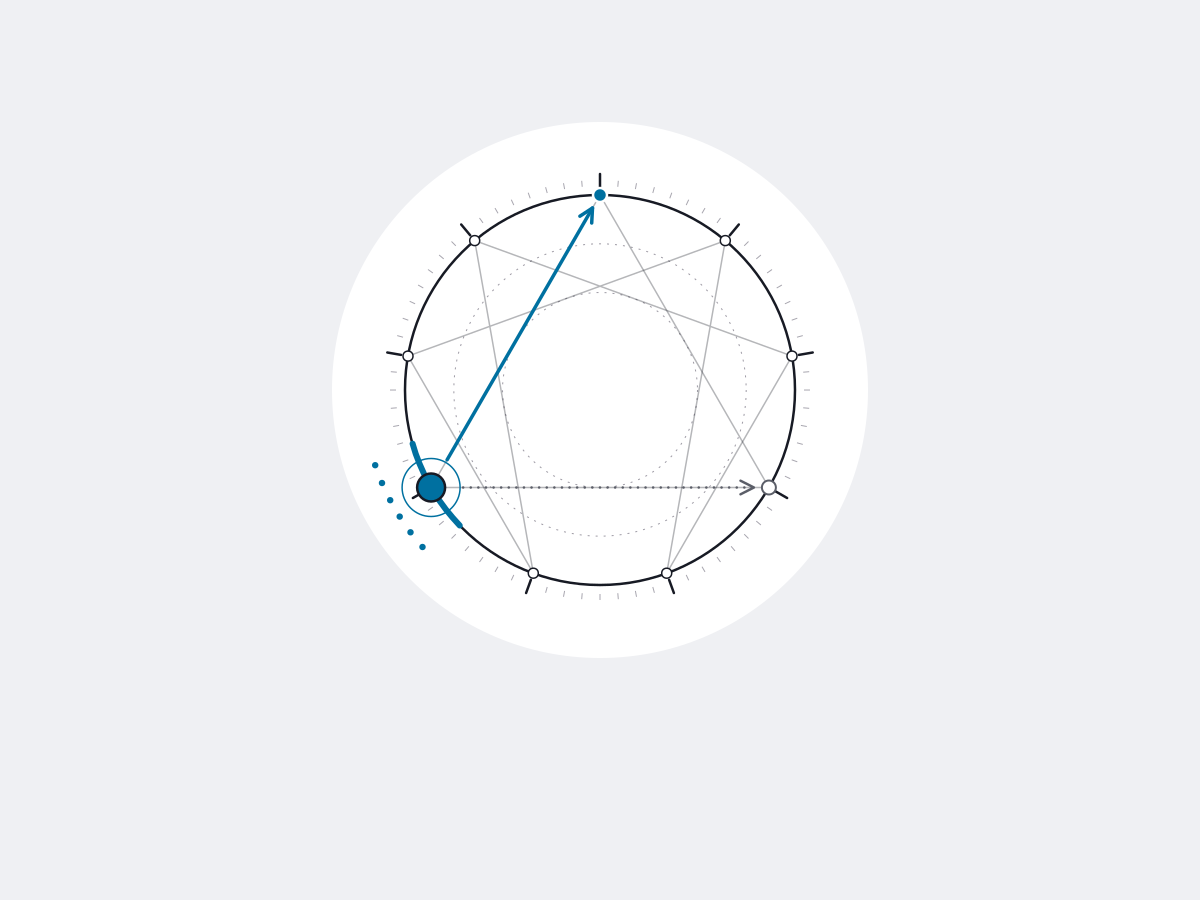
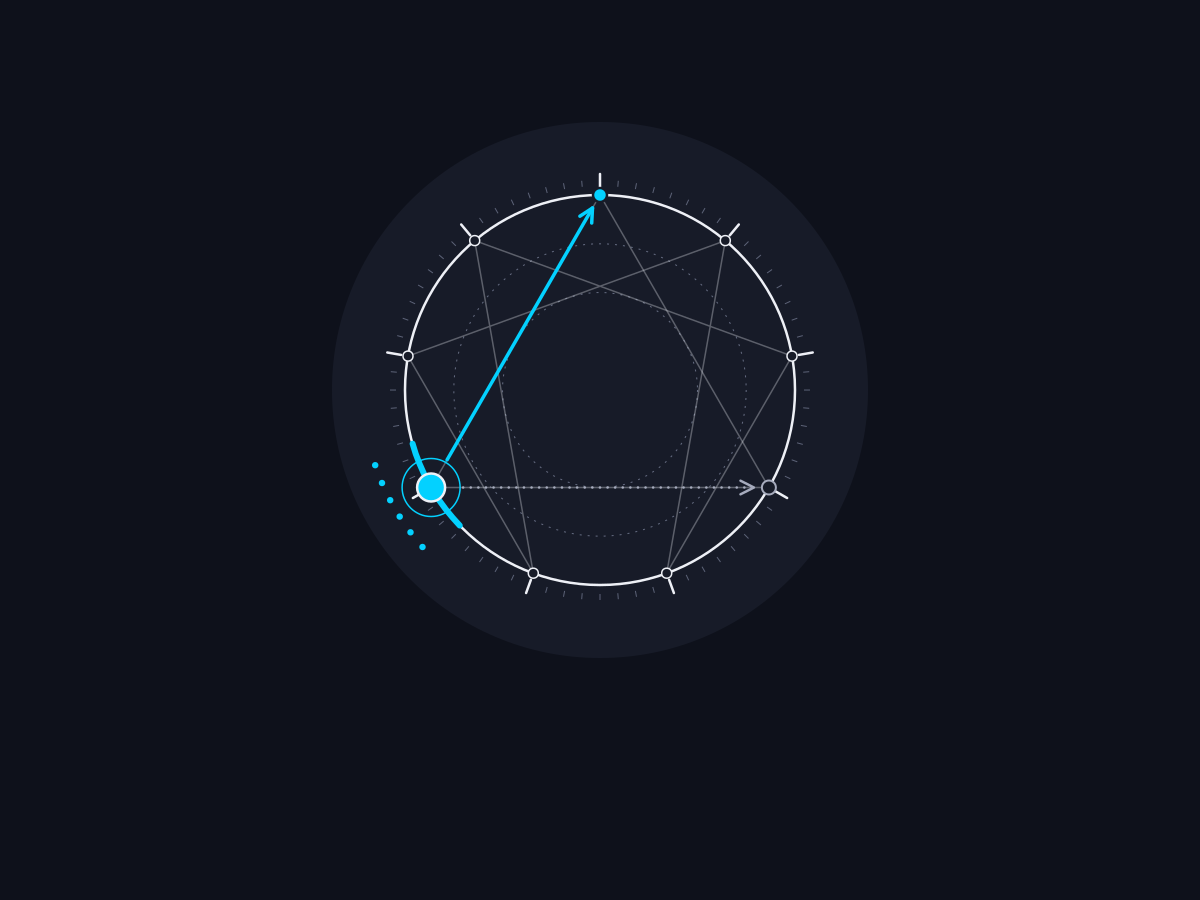
so-6 is the Social subtype of Type 6. These Sixes find security in clear rules, roles and shared beliefs. They tend to be dutiful and well informed, and they feel calmest when they know exactly where they stand in a group.
What is a Social Six?
A Social Six is a Type 6 whose leading instinct is belonging in groups. They look for safety in clear guidelines, trusted institutions and shared values. Many are loyal team members who know the procedures well. They often feel uneasy in vague situations and relieved when roles and expectations are spelled out.
Imagine a new employee who reads the whole handbook in the first week, asks thoughtful questions about policy, and soon becomes the person colleagues check with when unsure. They are not rigid for the sake of it. Clear rules simply help them relax and focus.
This is a form of Type 6, The Steadfast, the type that seeks security and guidance. The subtype framework is usually traced to Claudio Naranjo. Here we describe it in our own language as a starting point for reflection.
How is so-6 different from sp-6 and sx-6?
All Sixes manage fear and seek security. The so-6 finds it in structures, rules and duty to a group. The sp-6 finds it in warm bonds and a safe home. The sx-6 confronts fear directly through strength or boldness. The so-6 is often the most focused on doing things by the book.
A Self-Preservation Six may lean on a few close allies. A One-to-One Six may face danger head on. The Social Six tends to ask, "What are the guidelines here, and who is responsible?"
| Setting | Typical so-6 pattern |
|---|---|
| New job | Learns the rules and procedures quickly |
| Groups | Loyal to shared values and causes |
| Uncertainty | Feels uneasy until roles are clear |
| Authority | Respects it, but checks that it is fair |
| Decisions | Looks to agreed standards before acting |
What are the strengths of a Social Six?
Many Social Sixes are reliable, principled and loyal. They keep groups running smoothly by knowing and respecting the rules. They spot risks in plans and speak up. They stand by their communities in hard times. When healthy, they help build fair, safe structures that protect everyone.
- Deep loyalty to groups and causes
- Clear knowledge of how systems work
- Sharp eye for risks and loopholes
- Commitment to fairness and duty
- Steady, dependable teamwork
What do Social Sixes struggle with?
A Social Six can struggle with rigid thinking and over-reliance on outside rules. They may feel lost when there is no clear guideline. Some defer too much to authority, while others swing to distrust it. Fear of doing the wrong thing can make them stiff, anxious or judgmental of people who break rules.
Gray areas can feel especially uncomfortable. Learning to trust their own judgment, even when the rulebook is silent, is a big step toward peace.
How does an so-6 act in close relationships?
In close relationships, a Social Six is loyal, responsible and committed. They like clear agreements about roles, plans and expectations. They may worry when things feel uncertain. Closeness grows when the so-6 talks openly about fears and allows some flexibility, trusting the bond even when the rules are unclear.
Try agreeing on a few key values together rather than many detailed rules. A partner can help by being clear and consistent while gently inviting spontaneity.
What happens to a Social Six under stress?
Under stress, Sixes often move toward Type 3 traits along the stress line. A stressed so-6 may focus on status or performance, work harder to prove their worth or adapt to whatever seems expected. They may lose sight of their own values. Rest and honest talk help them return to center.
The Type 3 guide describes that performance mode in more depth. Watch for chasing approval from authority figures while ignoring your own sense of right.
How can a Social Six grow?
Growth for a Social Six often means trusting their inner guide as much as outside rules. On the growth line, Sixes move toward Type 9 traits: calm, openness and ease. A helpful practice is to make one decision a week based only on your own values, then reflect on how it went.
- Ask yourself what you think before checking the rules.
- Allow one plan to stay loose and see what happens.
- Notice when fear is driving loyalty.
- Relax a standard that no longer serves the group.
The Type 9 page shows the ease this growth line can bring.
How do I know if I am a Social Six?
You may be a Social Six if Type 6 fits you and you feel safest with clear rules and roles. Notice whether you are loyal to groups and shared beliefs, read the guidelines carefully and feel uneasy in vague situations. If structure calms you more than close allies or bold action, consider so-6.
The 6w5 and 6w7 pages show how a wing shifts the picture. Our instincts explainer covers stacking in more depth. To confirm your core type, check your type with the test.
Frequently asked questions
What is an so-6?
An so-6 is a Type 6, the Steadfast, who leads with the Social instinct. They find security in clear rules, roles and shared beliefs within a group.
Why do so-6s like rules?
Many so-6s feel safer when expectations are clear. Rules and guidelines reduce uncertainty and help them know where they stand.
How is so-6 different from sp-6?
An so-6 tends to seek safety in structures and duty to a group. An sp-6 tends to seek safety in warm personal bonds and a secure home.
How do I know if I am an so-6?
If Type 6 fits you and you feel calm when you know the rules and your role, and loyal to groups that share your beliefs, you may lead with the Social instinct.