Type 6
Enneagram sp-6: The Warm Ally
What a Self-Preservation Six (sp-6) is: a Type 6 who seeks safety through warmth, trusted bonds and careful plans. Strengths, struggles, stress and growth.
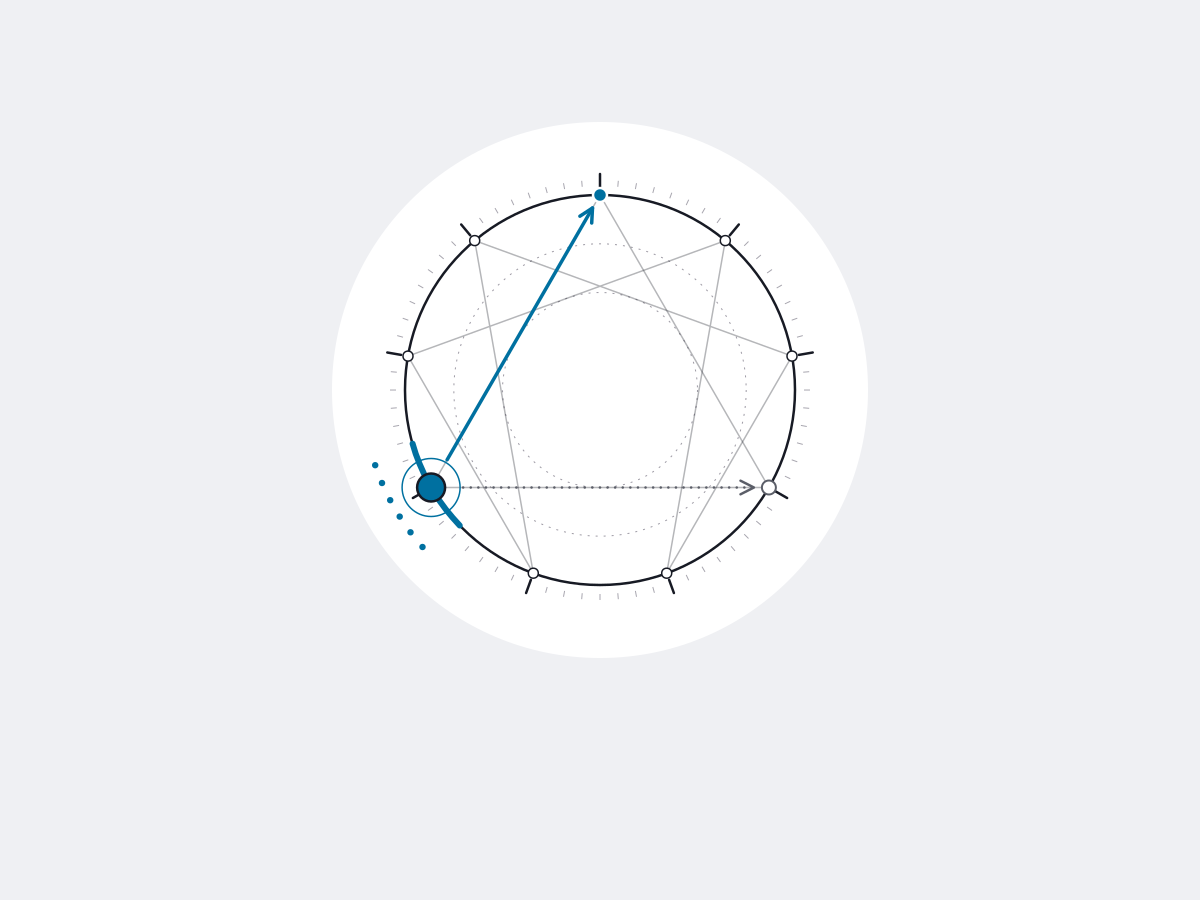
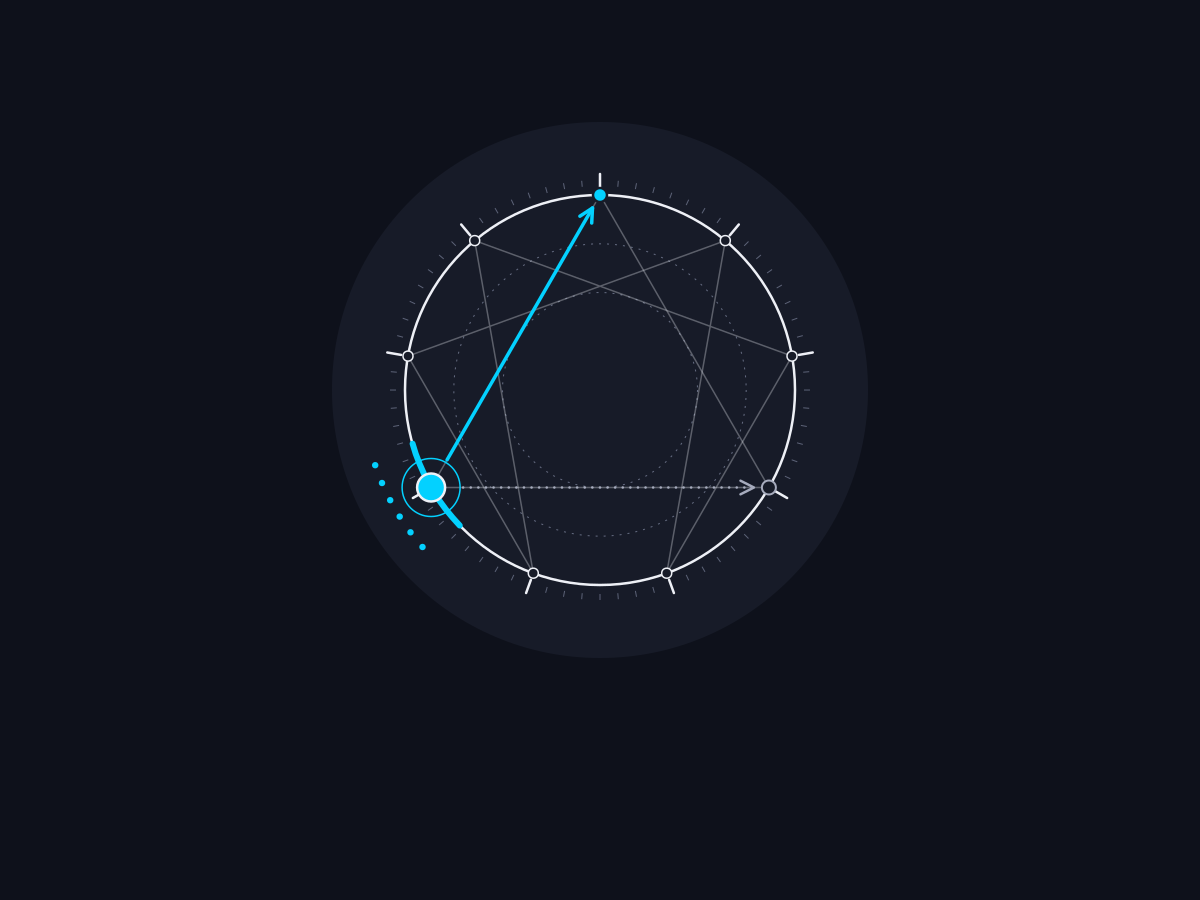
sp-6 is the Self-Preservation subtype of Type 6. These Sixes look for safety through warm, trusted bonds and a secure home. They tend to be friendly and kind, and they are often the most openly worried of the Sixes.
What is a Self-Preservation Six?
A Self-Preservation Six is a Type 6 whose leading instinct is safety and resources. They tend to build a small circle of people they trust and keep their home secure. Many are warm, friendly and helpful, partly to make allies. They often voice their worries and ask for reassurance before taking a big step.
Picture someone who brings homemade cookies to new neighbors, learns everyone's names and, within a month, has three people they could call at midnight. They are kind by nature. They also feel safer knowing that help is close by.
The core is Type 6, The Steadfast, the type that seeks security and support. Claudio Naranjo is widely credited with describing instinctual subtypes. This page uses our own words and offers tendencies, not a fixed portrait.
How is sp-6 different from so-6 and sx-6?
All Sixes deal with fear and a need for security. The sp-6 seeks safety through warm relationships and careful planning. The so-6 finds it in rules, roles and shared beliefs. The sx-6 faces fear head on and may seem bold. The sp-6 is usually the most openly cautious of the three.
A Social Six may feel safest with a clear rulebook. A One-to-One Six may push straight toward what scares them. The Self-Preservation Six would rather have a trusted friend nearby and a backup plan in their pocket.
| Area | Typical sp-6 pattern |
|---|---|
| Friends | A small, reliable circle of allies |
| Home | Secure, stocked and comfortable |
| Decisions | Asks trusted people before acting |
| Worry | Shares fears openly |
| Strangers | Warm and friendly, while watching carefully |
What are the strengths of a Self-Preservation Six?
Many Self-Preservation Sixes are warm, loyal and thoughtful. They spot risks early and prepare for them. They are kind to newcomers and steady friends over many years. Their honesty about fear makes it easier for others to share their own. People feel cared for in their company.
- Warmth that helps people feel welcome
- Loyalty that lasts for years
- Careful planning for what could go wrong
- Honesty about worries and doubts
- A gift for building trusting bonds
What do Self-Preservation Sixes struggle with?
A Self-Preservation Six can struggle with worry and self-doubt. They may lean too much on others to decide for them. Fear of what could go wrong can stop them from trying new things. Some cling to a familiar job or place long after it stops serving them, because change feels unsafe.
Their warmth can also hide a quiet fear of being alone. Learning to trust their own judgment gives them a kind of safety that does not depend on anyone else.
How does an sp-6 act in close relationships?
In close relationships, a Self-Preservation Six is loyal, caring and dependable. They show love by looking after their partner and the home they share. They may ask for reassurance often and worry about the relationship. Closeness grows when the sp-6 names their fears and their partner answers with steady, honest care.
A useful habit is to say "I'm worried about this, can we talk?" rather than guessing silently. Partners can help by being consistent and by encouraging the sp-6 to make their own choices.
What happens to a Self-Preservation Six under stress?
Under stress, Sixes often move toward traits of Type 3 along their stress line. A stressed sp-6 may throw themselves into work, stay busy to avoid fear or focus on looking competent. They may lose touch with their feelings. Rest, talking with a trusted friend and slowing down usually help.
The Type 3 guide describes that busy, image-aware mode. A sign of strain is filling every free hour with tasks so that worry has no room to speak.
How can a Self-Preservation Six grow?
Growth for a Self-Preservation Six often means finding safety within themselves. Along the growth line, Sixes move toward Type 9 traits: calm, trust and ease. A helpful habit is to make one small decision each day without asking anyone else, and then notice that it turned out fine.
- Make one choice a day on your own.
- Try one new thing each month.
- Notice when worry is a guess, not a fact.
- Breathe slowly when fear rises.
See the Type 9 guide for the calm this growth line offers.
How do I know if I am a Self-Preservation Six?
You may be a Self-Preservation Six if Type 6 fits you and you find safety in warm bonds and a secure home. Notice whether you voice your worries, seek advice before big steps and invest in a small, trusted circle. If so, sp-6 is worth exploring.
Read the 6w5 and 6w7 pages to see how your wing shapes this. Our guide to the instincts explains how the drives stack. If you are still unsure that you are a Six, take the test.
Frequently asked questions
What is an sp-6?
An sp-6 is a Type 6, the Steadfast, who leads with the Self-Preservation instinct. They seek safety through warm bonds, a secure home and careful plans.
Are sp-6s anxious?
Many sp-6s are openly worried and say so. Their warmth and friendliness often help them build a circle of people they can count on.
How is sp-6 different from sx-6?
An sp-6 tends to show fear openly and seek protection from allies. An sx-6 tends to face fear head on and can come across as bold or strong.
How do I know if I am an sp-6?
If Type 6 fits you and you find safety in close, warm relationships and a secure home, and you often voice your worries, you may lead with Self-Preservation.