Type 2
Enneagram sx-2: The Devoted Admirer
What a One-to-One Two (sx-2) is: a Type 2 who pours warmth and attention into one close bond. Strengths, struggles, relationships, stress and growth.
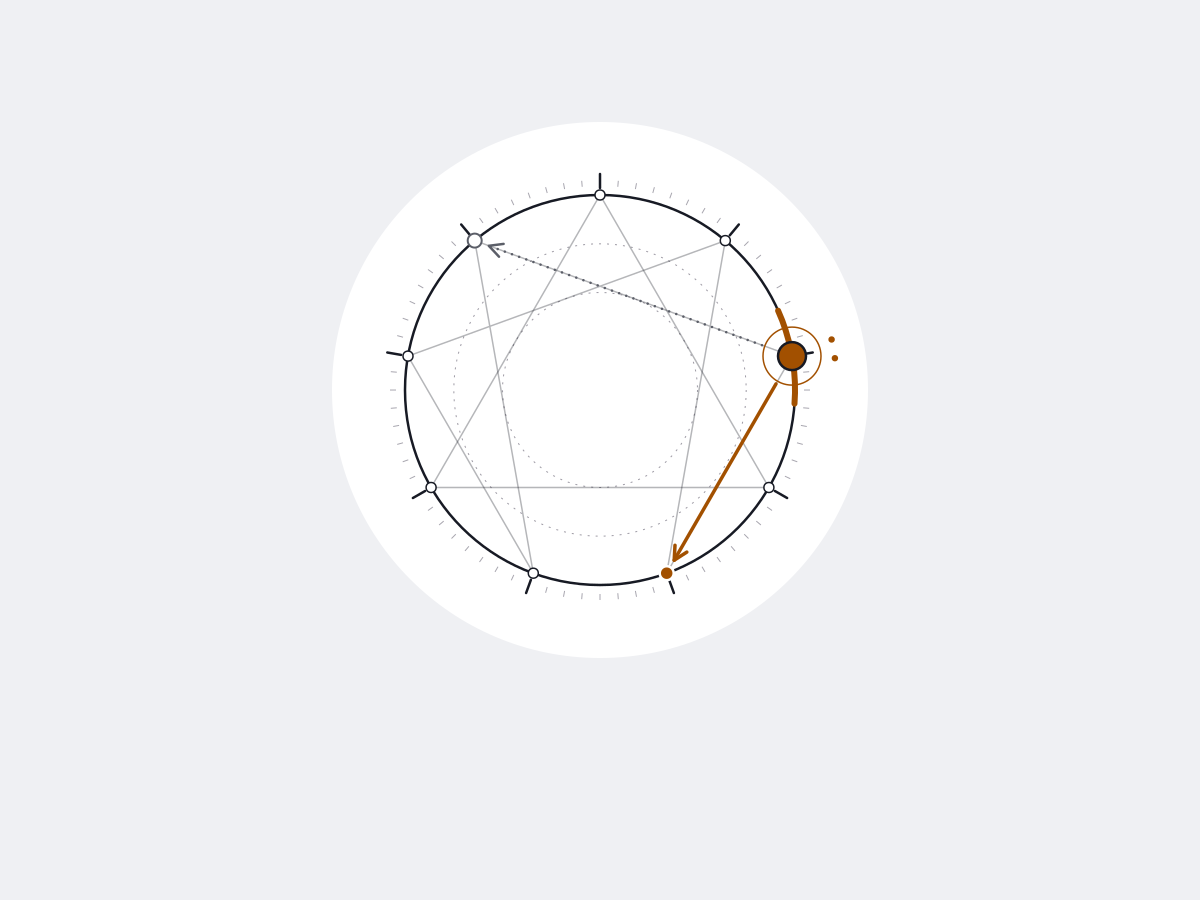

sx-2 is the One-to-One subtype of Type 2. These Twos focus their warmth on one special person or a few close friends. They are often charming and wholehearted, and they put great effort into building and keeping a deep bond.
What is a One-to-One Two?
A One-to-One Two is a Type 2 whose leading instinct is One-to-One, sometimes called sexual. They pour their care into a few intense bonds. They notice what a person longs for and offer it with warmth. Many are magnetic and devoted, and they can feel shaken when a close bond seems to slip away.
Imagine someone who learns that a new friend loves an obscure band and, a week later, shows up with concert tickets. It feels thrilling to be seen like that. For the sx-2, the joy is in the connection itself, and in being the one who matters most.
At the center is Type 2, The Nurturer, the type that wants to be loved and needed. We use One-to-One for the instinct many books call sexual, since it covers friends and mentors as well as romance. The subtype model is credited to Claudio Naranjo; these descriptions are our own.
How is sx-2 different from sp-2 and so-2?
All three Two subtypes care deeply about others. The sx-2 aims that care at one person and wants to be special to them. The sp-2 gives quietly and may wish to be looked after. The so-2 helps whole groups and seeks a respected role. The sx-2 is often the most intense of the three.
A Self-Preservation Two tends to stay low-key. A Social Two is busy holding a whole community together. The One-to-One Two would often rather spend the whole evening deep in conversation with one person than work the room.
| Moment | What an sx-2 may do |
|---|---|
| Meeting someone new | Tunes in quickly to what they love |
| Early in a bond | Gives generously and with a lot of energy |
| When the bond is secure | Feels warm, playful and content |
| When the bond feels at risk | Pursues harder or feels deeply hurt |
| Alone time | Can feel empty without someone to focus on |
What are the strengths of a One-to-One Two?
Many One-to-One Twos offer wholehearted devotion. They make people feel chosen and understood. They remember small details and act on them. Their warmth can carry a friend through a hard season. They bring energy, romance and generosity to the bonds they value, and they rarely give halfway.
- Deep attention to one person at a time
- Warm, magnetic presence
- Thoughtful, personal gifts and gestures
- Loyalty through good and bad times
- Courage to show strong feelings
What do One-to-One Twos struggle with?
A One-to-One Two can struggle with depending too much on one bond for their sense of worth. They may pursue someone hard, then feel crushed by any sign of distance. Jealousy can flare. Some lose track of their own interests while shaping themselves around the person they love.
When a bond ends, the loss can feel total, as if a whole part of life has gone with it. Building friendships and interests outside the main relationship helps protect against that.
How does an sx-2 act in close relationships?
In close relationships, a One-to-One Two is affectionate, attentive and fully present. They want to be the most important person in their partner's life. That can be wonderful, and it can also feel like a lot. Trust grows when the sx-2 gives their partner space and believes the bond will still be there.
A useful habit is to keep one evening a week for your own friends or hobbies. Partners can help by offering clear reassurance and by showing interest in the sx-2's own life, not only in the relationship.
What happens to a One-to-One Two under stress?
Under stress, Twos often move toward traits of Type 8 on the stress line. A stressed sx-2 may become possessive, confront a partner in anger or demand proof of love. Their care can turn into control. Slowing down, naming the fear underneath and talking it through usually helps them settle.
The Type 8 guide shows what that stronger, harder edge can look like. Watch for checking a partner's phone or replaying a cold reply over and over.
How can a One-to-One Two grow?
Growth for a One-to-One Two often means building a self that does not depend on one bond. Along the growth line, Twos gain Type 4 traits: honest feeling and a clear identity. A helpful practice is to spend a few hours each week on something that is yours alone.
- Write down three things you love that nobody else is part of.
- Notice when you change yourself to please someone.
- Tell a partner what you need instead of earning it.
- Let a quiet day pass without testing the bond.
The Type 4 page explores the inner world this line points to.
How do I know if I am a One-to-One Two?
You may be a One-to-One Two if Type 2 fits you and most of your giving flows toward one or two people. Notice whether being special to someone feels essential and whether distance in a close bond hits you hard. If intense connection matters more than comfort or community, consider sx-2.
Read the wing pages for 2w1 and 2w3 to see how your wing colors this. Our guide to Self-Preservation, Social and One-to-One explains stacking. If you are still finding your core type, check your type first.
Frequently asked questions
What is an sx-2?
An sx-2 is a Type 2, the Nurturer, who leads with the One-to-One instinct, sometimes called sexual. They focus their warmth and attention on a few close bonds.
Are sx-2s charming?
Many sx-2s have a strong, warm charm. They notice what a person loves and offer it, which can make others feel deeply seen.
How is sx-2 different from so-2?
An sx-2 tends to pour care into one person. An so-2 tends to spread care across a community and enjoys a visible role in the group.
How do I know if I am an sx-2?
If Type 2 fits you and most of your energy goes into winning and keeping one close bond, you may lead with the One-to-One instinct.