Type 2
Enneagram sp-2: The Quiet Caretaker
What a Self-Preservation Two (sp-2) is: a Type 2 who gives quietly and also longs to be looked after. Strengths, struggles, stress and growth.
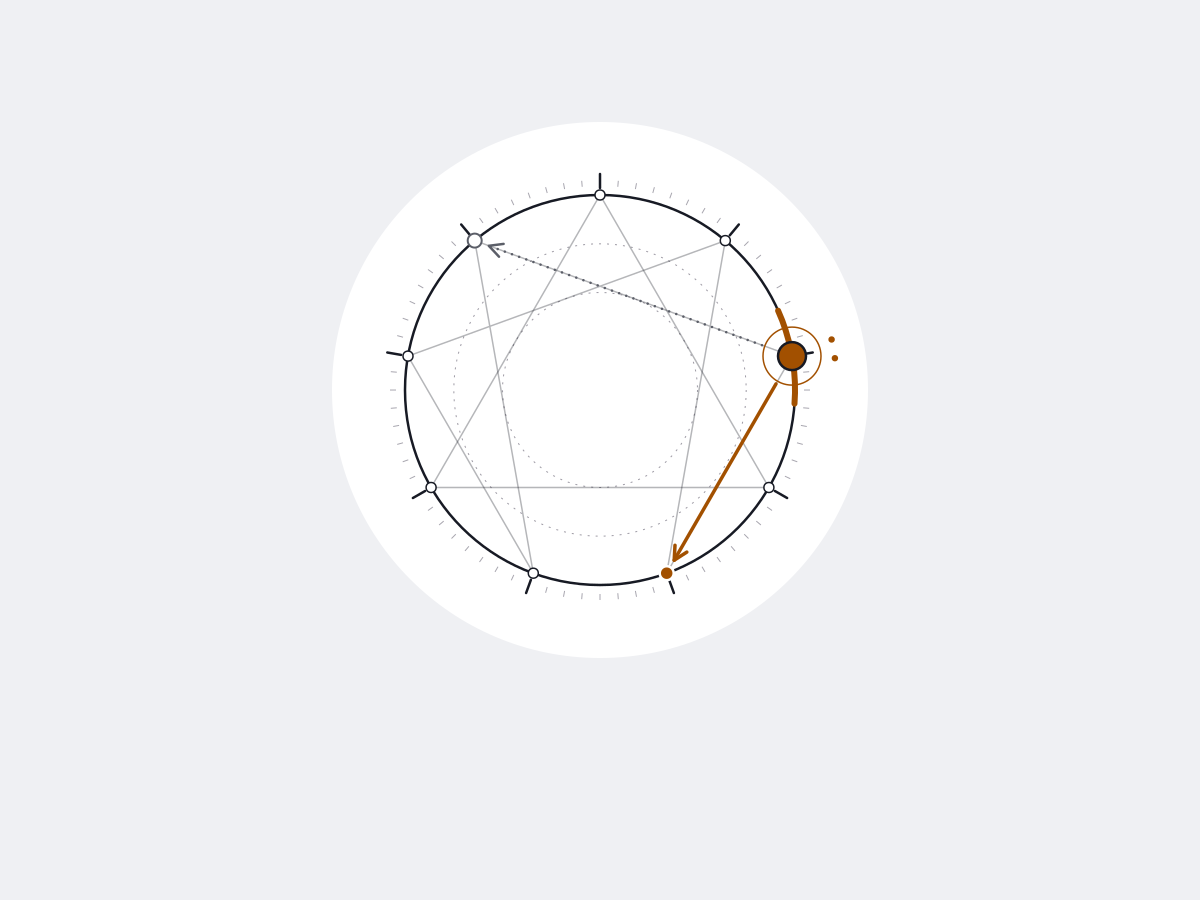

sp-2 is the Self-Preservation subtype of Type 2. These Twos often give in small, practical ways and quietly hope someone will take care of them too. Many have a youthful charm and feel unsure about asking for what they need.
What is a Self-Preservation Two?
A Self-Preservation Two is a Type 2 whose leading instinct is care for comfort and safety. They tend to be warm but a little guarded. They may give through rides, small gifts or a listening ear, while secretly wishing others would notice their own needs. Many come across as playful, gentle and young at heart.
Picture a coworker who keeps a drawer of snacks for anyone having a long day and remembers how you take your coffee. Ask how they are doing, though, and they may laugh it off. Being the one who receives care can feel strange, even when they want it badly.
Their core type is Type 2, The Nurturer, the type that wants to be loved and needed. Claudio Naranjo is generally credited with describing subtypes like this one. What follows is our own wording and a loose guide, not a verdict on any person.
How is sp-2 different from so-2 and sx-2?
All Twos share a focus on other people's needs and a wish to be valued. The sp-2 gives quietly and may want to be cared for like a child would. The so-2 gives on a big scale and takes a leading role. The sx-2 pours their care into one special person.
A Social Two is easy to spot at the center of the community. A One-to-One Two is easy to spot at the side of the person they adore. The Self-Preservation Two is easier to miss, because their giving rarely makes noise.
| Situation | What an sp-2 may do |
|---|---|
| A friend is sick | Drops off soup, then leaves before being thanked |
| Their own bad day | Hopes someone notices instead of saying so |
| New group | Hangs back, then wins people over with humor |
| Money and comfort | Enjoys small treats and a cozy home base |
| Being praised | Feels pleased and a little embarrassed |
What are the strengths of a Self-Preservation Two?
Many Self-Preservation Twos bring gentle, sincere care that never needs an audience. They create warm, comfortable spaces where people relax. Their playful side lightens heavy moments. Because they know what it is like to need care, they are often sensitive to people who feel overlooked or shy.
- Quiet kindness that asks for no applause
- A cozy, welcoming presence
- Humor and lightness in hard times
- Loyalty to a small circle
- Real attention to small comforts
What do Self-Preservation Twos struggle with?
A Self-Preservation Two can struggle to ask for help directly. They may expect people to guess what they need, then feel hurt when nobody does. Fear of being a burden can keep them small. Some swing between giving a lot and feeling resentful that the care does not come back.
Others may see the sp-2 as easygoing and assume they are fine. Inside, the Two may be keeping a quiet tally of who showed up for them, and who did not.
How does an sp-2 act in close relationships?
In close relationships, a Self-Preservation Two is affectionate, attentive and often playful. They tend to show love through comfort: a favorite meal, a warm blanket, a reminder to rest. They may want a partner who looks after them in return. Saying that need out loud is often their biggest step toward real closeness.
Try naming one concrete wish a day, like "Could you make dinner tonight?" Partners can help by offering care without being asked and by taking those small requests seriously.
What happens to a Self-Preservation Two under stress?
Under stress, Twos often take on traits of Type 8 along their stress line. A stressed sp-2 may drop the gentle manner and become blunt, demanding or controlling about getting their needs met. They may feel that nobody looks after them. Rest, food and honest words usually soften the edge.
The Type 8 guide shows how that forceful energy can look. Signs of strain include sulking, sharp remarks and a sudden refusal to help anyone.
How can a Self-Preservation Two grow?
Growth for a Self-Preservation Two often means caring for themselves as well as they care for others. On the growth line, Twos move toward Type 4 traits: honesty about feelings and a clear sense of self. A good habit is to check in each morning and ask what you need today.
- Ask for one thing you need, plainly, each day.
- Let someone help you without paying them back right away.
- Keep a short list of your own wants.
- Notice when a hint is really a request in disguise.
The Type 4 page explains the inward honesty this line brings.
How do I know if I am a Self-Preservation Two?
You may be a Self-Preservation Two if Type 2 fits you and your helping is quiet, practical and close to home. Notice whether you secretly long to be looked after and whether asking feels uncomfortable. If comfort and safety pull at you more than status or romance, sp-2 may fit.
Your wing changes the flavor, so compare 2w1 with 2w3. For the bigger picture of stacking, see how the instincts work. If you have not confirmed that you are a Two, take the test before choosing a subtype.
Frequently asked questions
What is an sp-2?
An sp-2 is a Type 2, the Nurturer, who leads with the Self-Preservation instinct. Their giving is often quiet and practical, and they may long to be looked after too.
Why do sp-2s seem less like Twos?
Many sp-2s are more reserved and less openly helpful than the classic picture of a Two. Their care tends to show in small favors rather than big gestures.
How is sp-2 different from so-2?
An sp-2 tends to give quietly to a few people and may want to be cared for. An so-2 tends to give on a larger scale and often takes a visible role in a community.
How do I know if I am an sp-2?
If Type 2 fits you and you notice a strong wish to be looked after, plus a shy or playful way of giving, you may lead with Self-Preservation.