Type 2
Enneagram 2w1: Care with a Conscience
What a 2w1 is: a Type 2 with a Type 1 wing. How it differs from 2w3, plus strengths, struggles, relationships, work style, stress and growth.
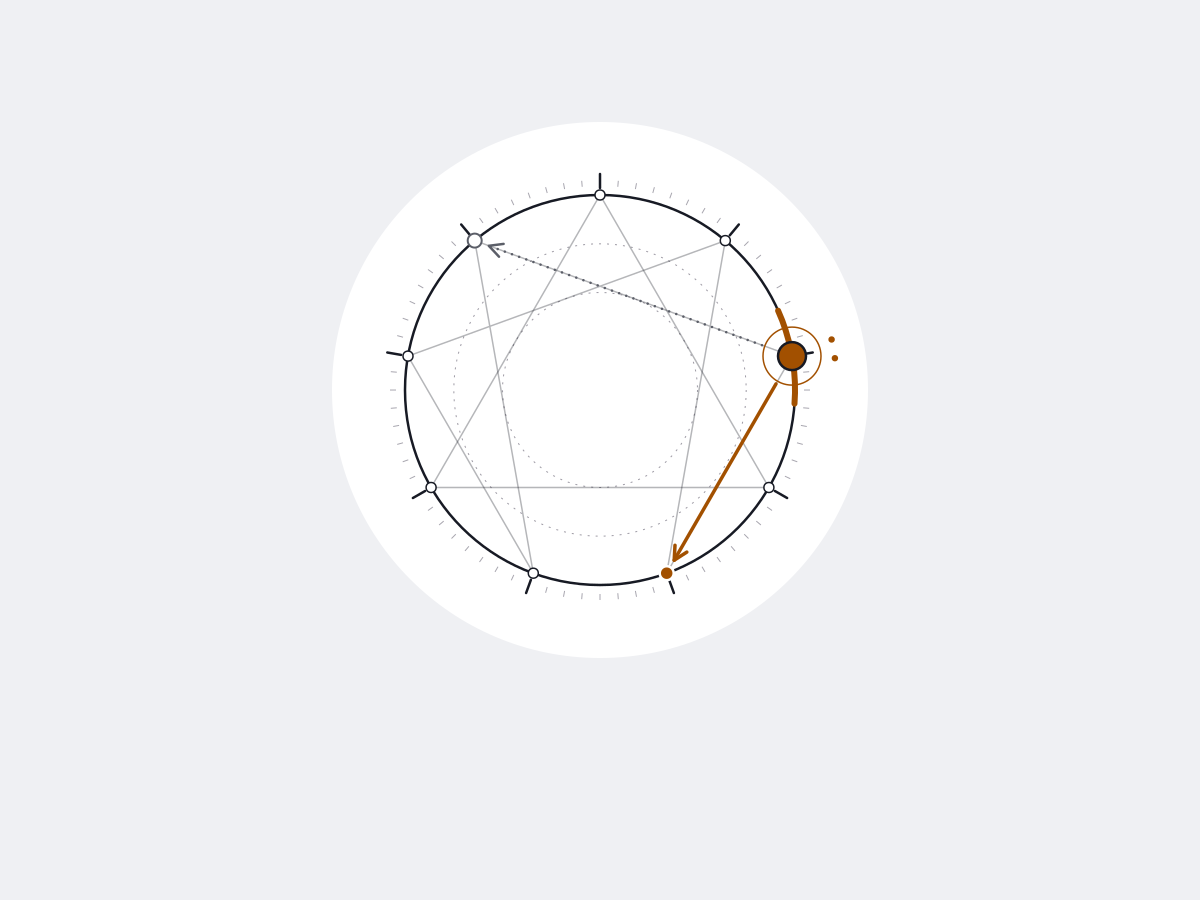

2w1 is a Type 2 with a Type 1 wing. The Two's warm focus on others meets the One's sense of duty, so this blend often helps quietly and steadily because it feels right.
What is a 2w1?
A 2w1 is a Type 2 who also leans on Type 1 traits. They care deeply about people and feel most like themselves when they are being useful. The One wing adds principles and restraint, so many 2w1s help in practical, low-key ways and feel a strong duty to do the job properly.
Imagine the friend who shows up after a surgery with soup, a clean set of sheets and a list of the pharmacy's opening hours. They do not need a thank-you speech. They would simply feel wrong if they did not come. That sense of moral duty is the One wing at work.
At the center is Type 2, The Nurturer, which runs on the wish to be loved and needed. With the One wing, that wish wears a more serious coat. Many 2w1s feel they should be good, not just kind, and they hold themselves to a high standard of care.
How is 2w1 different from 2w3?
A 2w1 and a 2w3 both want closeness and both give generously. The 2w1 tends to be more private, principled and self-critical, helping in the background. The 2w3 tends to be more outgoing, polished and socially ambitious, often helping in ways that are more visible and connected to a group.
| Trait | 2w1 | 2w3 |
|---|---|---|
| Energy | Quiet, earnest, steady | Lively, sociable, upbeat |
| Helping style | Practical, behind the scenes | Warm, visible, networked |
| Strength | Dependable, ethical care | Making people feel special |
| Inner voice | "Am I doing enough good?" | "Am I liked and valued?" |
| Growth edge | Resting without guilt | Being loved without performing |
At a party, the 2w3 may be the one introducing everybody. The 2w1 may be in the kitchen, refilling glasses and making sure the shy guest has someone to talk to.
What are the strengths of a 2w1?
Many 2w1s offer care you can count on. They notice needs early, follow through quietly and treat people with dignity. Their help usually comes with good sense and clear boundaries around what is right. Friends often describe them as the person who shows up, does the work, and never makes a fuss about it.
- Steady, reliable support in hard times
- A strong ethical compass in how they treat others
- Practical skill at caring tasks, from meals to paperwork
- Modesty about their own contributions
- Patience with people who are struggling
What does a 2w1 struggle with?
A 2w1 often struggles to receive. They may feel selfish for having needs and guilty for resting. The One wing can add a harsh inner critic, so they may judge themselves for not helping enough. Over time, unspoken needs can turn into quiet resentment or a sense of being taken for granted.
Some 2w1s also judge other people for being less careful or less giving than they are. They may not say it aloud, but it shows up as tight-lipped disapproval. Noticing that judgment, without shame, is often the first step to softening it.
How does a 2w1 show up in relationships?
In relationships, a 2w1 is often loyal, thoughtful and quietly devoted. They remember details, anticipate needs and keep the home or friendship running. They may hide their own wants, hoping a partner will notice. Closeness grows when they say what they need plainly and accept care without keeping score.
A partner of a 2w1 may hear, "Don't worry about me, I'm fine." Often that is not the whole truth. It helps when loved ones ask specific questions, such as "What would make tonight easier for you?" and wait for a real answer.
What is a 2w1 like at work?
At work, a 2w1 is often the colleague who keeps people cared for and standards high. Many thrive in service, education, health or support roles. They are conscientious and kind. They may struggle with saying no, with colleagues who cut corners, and with feeling invisible when their quiet effort goes unthanked.
Clear roles help a 2w1 a lot. When they know where their job ends, they are less likely to absorb everyone else's tasks. A simple line such as "I can help with that on Thursday" protects their time without feeling cold.
How does a 2w1 handle stress?
Under stress, Twos often move toward traits of Type 8. A stressed 2w1 may become blunt, controlling or sharply critical, especially when they feel unappreciated. The One wing can make that criticism sound righteous. Taking a real break and naming their own hurt usually helps more than pushing harder.
Early signs include keeping a mental tally of favors, sighing over tasks, and feeling that nobody else does things right. These are signals to slow down, not proof that they need to give more.
How can a 2w1 grow?
Growth for a 2w1 often means turning the same care inward. On their growth line, Twos move toward Type 4 traits: honest feelings and a clearer sense of self. A practical habit is to pause before saying yes and ask, "Do I want to do this, or do I feel I must?"
- Write down one thing you need this week, then ask for it.
- Say "no" once without giving a long reason.
- Accept a compliment with only "Thank you."
- Notice when you judge someone for not helping, and get curious instead.
How do I know if I am a 2w1?
You may be a 2w1 if caring for others is central to who you are and that care comes with a strong sense of duty and right and wrong. If you often help quietly, feel guilty resting, and judge yourself harshly, the One wing may be strong. Confirm your core type first.
Read the full Type 2, The Nurturer hub and compare it with Type 1. Then take the test to find your core type; your result shows how strongly each wing shows up in your answers.
Move the slider to see which wing shapes the type more.
Leaning toward 2w1
2w1
A 2w1 is a Type 2 who leans toward Type 1. Many are caring, responsible and quietly principled, helping because it feels like the right thing to do. They tend to work behind the scenes. They grow by admitting their own needs and by letting go of the inner rule that love must always be earned.
Read more about 2w12w3
A 2w3 is a Type 2 who leans toward Type 3. Many are sociable, charming and quick to make others feel welcome. They connect people, lift moods and get things moving. They grow by noticing when giving turns into performing and by believing they are worth loving even when they are not useful.
Read more about 2w3Frequently asked questions
What is a 2w1?
A 2w1 is a Type 2, the Nurturer, with a Type 1 wing. The core wish to be loved through caring stays the same, and the One wing adds a sense of duty and ethics to how they help.
How is 2w1 different from 2w3?
A 2w1 tends to be more reserved, dutiful and self-critical. A 2w3 tends to be more social, charming and image-aware.
Why do 2w1s feel guilty so often?
The One wing adds an inner critic. Many 2w1s feel they should always do more for others, and they may feel guilty when they rest or say no.
Can my wing change?
Your core type tends to stay stable. Many people notice that their lean toward one wing shifts a little with age, setting or season of life.
How do I know which wing I have?
Notice why you help. If helping feels like a duty tied to your values, you may lean 2w1. If it feels tied to connection and recognition, you may lean 2w3.