Type 3
Enneagram sp-3: The Modest Hard Worker
What a Self-Preservation Three (sp-3) is: a Type 3 who works hard for security and wants to be good, not flashy. Strengths, struggles, stress and growth.
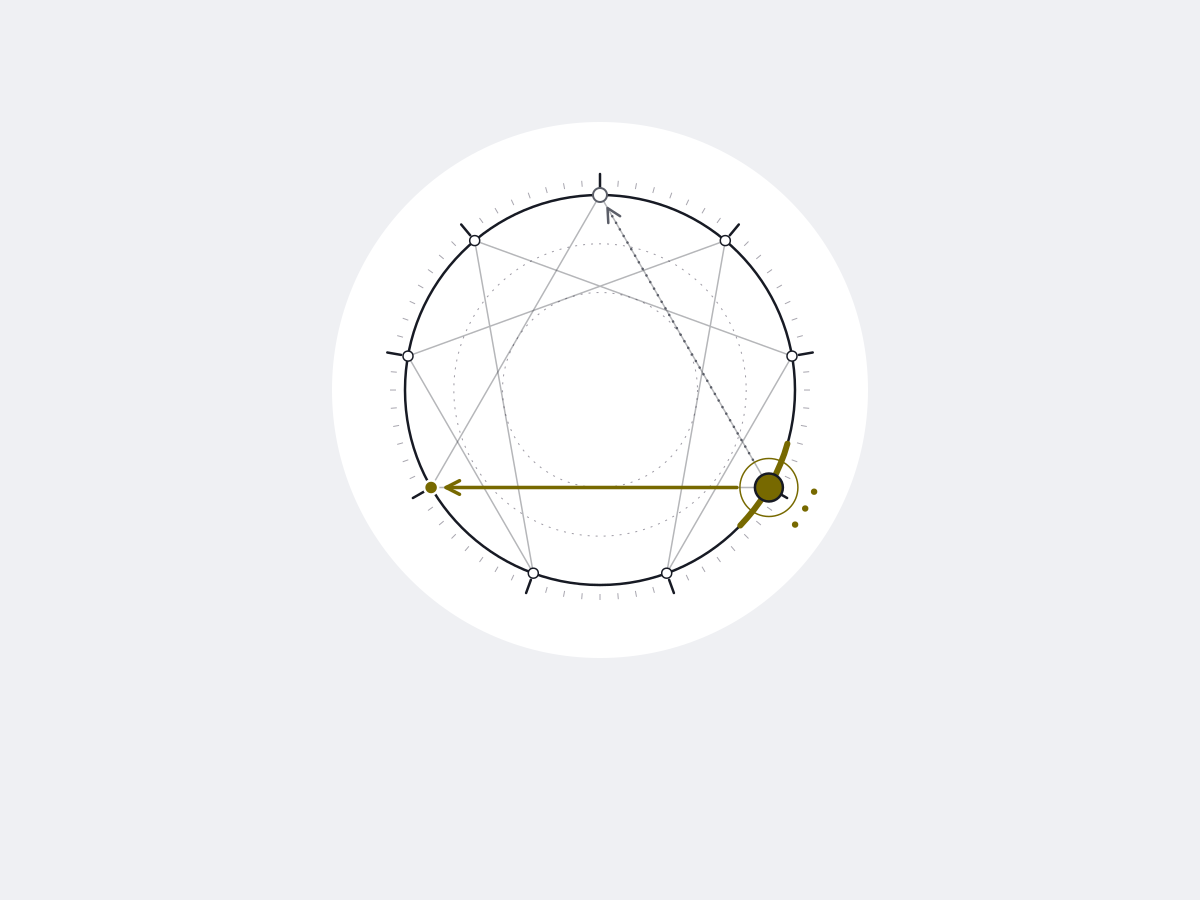

sp-3 is the Self-Preservation subtype of Type 3. These Threes work hard to build a secure, well-run life and often want to be seen as good and dependable rather than impressive. Their ambition is real, but they tend to keep it low-key.
What is a Self-Preservation Three?
A Self-Preservation Three is a Type 3 whose leading instinct is safety and resources. They tend to work long hours, handle many tasks and keep their life running well. Unlike the classic picture of a Three, many avoid the spotlight. They want to be a good, reliable person, and they often feel restless when they are not productive.
Picture the colleague who quietly finishes the report over the weekend, never mentions it, and then fixes a leaky faucet at home on Sunday evening. They do not brag. Yet if you take away their to-do list, they may feel lost and a little anxious.
This subtype sits within Type 3, The Driver, the type that wants to be valued and to succeed. The subtype idea is usually linked to Claudio Naranjo. We describe it here in our own words as a helpful lens, not a fixed label.
How is sp-3 different from so-3 and sx-3?
Every Three cares about being valuable and effective. The sp-3 puts that energy into hard work, security and being a good person. The so-3 seeks status and visible success. The sx-3 aims to be attractive and supportive to the people close to them. Of the three, the sp-3 is often the most understated.
A Social Three is the one giving the keynote. A One-to-One Three may be backstage, making sure a partner shines. The Self-Preservation Three is often the person who quietly built the stage, then went home to pay the mortgage early.
| Area | Typical sp-3 pattern |
|---|---|
| Work | Long hours, many roles, little self-promotion |
| Money | Saving and planning for a secure future |
| Image | Wants to look solid, honest and capable |
| Feelings | Puts them aside to keep going |
| Free time | Fills it with useful tasks |
What are the strengths of a Self-Preservation Three?
Many Self-Preservation Threes are capable, self-reliant and steady under pressure. They get things done without needing praise. They tend to be humble about their success and generous with practical help. People trust them because they keep their word and quietly carry more than their share.
- Strong work ethic and follow-through
- Modesty about wins
- Skill at running a home, team or budget
- Calm, practical problem solving
- Dependability people can lean on
What do Self-Preservation Threes struggle with?
A Self-Preservation Three can struggle to stop working. They may feel that rest has to be earned and that their value depends on being useful. Feelings can get pushed aside for tasks. Over time this can bring burnout, health problems and a sense of emptiness that hard work does not fix.
They may also hide how much they want approval. Because they avoid showing off, others may not realize that a simple word of recognition would mean a great deal to them.
How does an sp-3 act in close relationships?
In close relationships, a Self-Preservation Three is loyal, helpful and focused on providing. They show love by making life work: bills paid, plans made, problems solved. A partner may still miss them, because they are always busy. Closeness grows when the sp-3 slows down and shares feelings, not only results.
Try one evening a week with no tasks at all, just time together. A partner can help by praising who the sp-3 is, not only what they do, and by making rest feel welcome.
What happens to a Self-Preservation Three under stress?
Under stress, Threes often move toward traits of Type 9 on their stress line. A stressed sp-3 may go numb, scroll for hours or lose motivation after a long push. They may disconnect from their own goals and feelings. Sleep, gentle movement and one honest talk often help them restart.
The Type 9 guide describes that slowed-down state. A warning sign is feeling tired and flat even after finishing something that should feel like a win.
How can a Self-Preservation Three grow?
Growth for a Self-Preservation Three often means learning that they matter even when they are not working. On the growth line, Threes move toward Type 6 traits: loyalty, teamwork and trust. A helpful habit is to share a worry or a doubt with someone you trust each week.
- Block out rest time and protect it like a meeting.
- Ask someone how they feel, and then share how you feel.
- Let a task stay unfinished overnight.
- Notice your body when you are tired, and stop.
The Type 6 guide explains the trust this growth line builds.
How do I know if I am a Self-Preservation Three?
You may be a Self-Preservation Three if Type 3 fits you, yet you dislike showing off. Notice whether you feel uneasy without work to do, whether security drives your effort, and whether being a good, solid person matters more than being admired. If so, sp-3 is worth exploring.
Your wing shapes this too, so look at 3w2 and 3w4. The instincts guide explains how leading and blind-spot instincts fit together. If you are still unsure about Type 3, take the test to start.
Frequently asked questions
What is an sp-3?
An sp-3 is a Type 3, the Driver, who leads with the Self-Preservation instinct. They work hard for security and tend to want to be good rather than flashy.
Why do sp-3s not seem like Threes?
Many sp-3s play down their image and avoid showing off. Their drive is real but often hidden behind modesty and long hours.
How is sp-3 different from so-3?
An sp-3 tends to work hard behind the scenes for a secure life. An so-3 tends to seek visible status and recognition in a group.
How do I know if I am an sp-3?
If Type 3 fits you, you feel uneasy when not productive, and you care more about being solid and reliable than admired, you may lead with Self-Preservation.