Type 3
Enneagram so-3: The Public Star
What a Social Three (so-3) is: a Type 3 who seeks status, recognition and a strong public profile. Strengths, struggles, relationships, stress and growth.
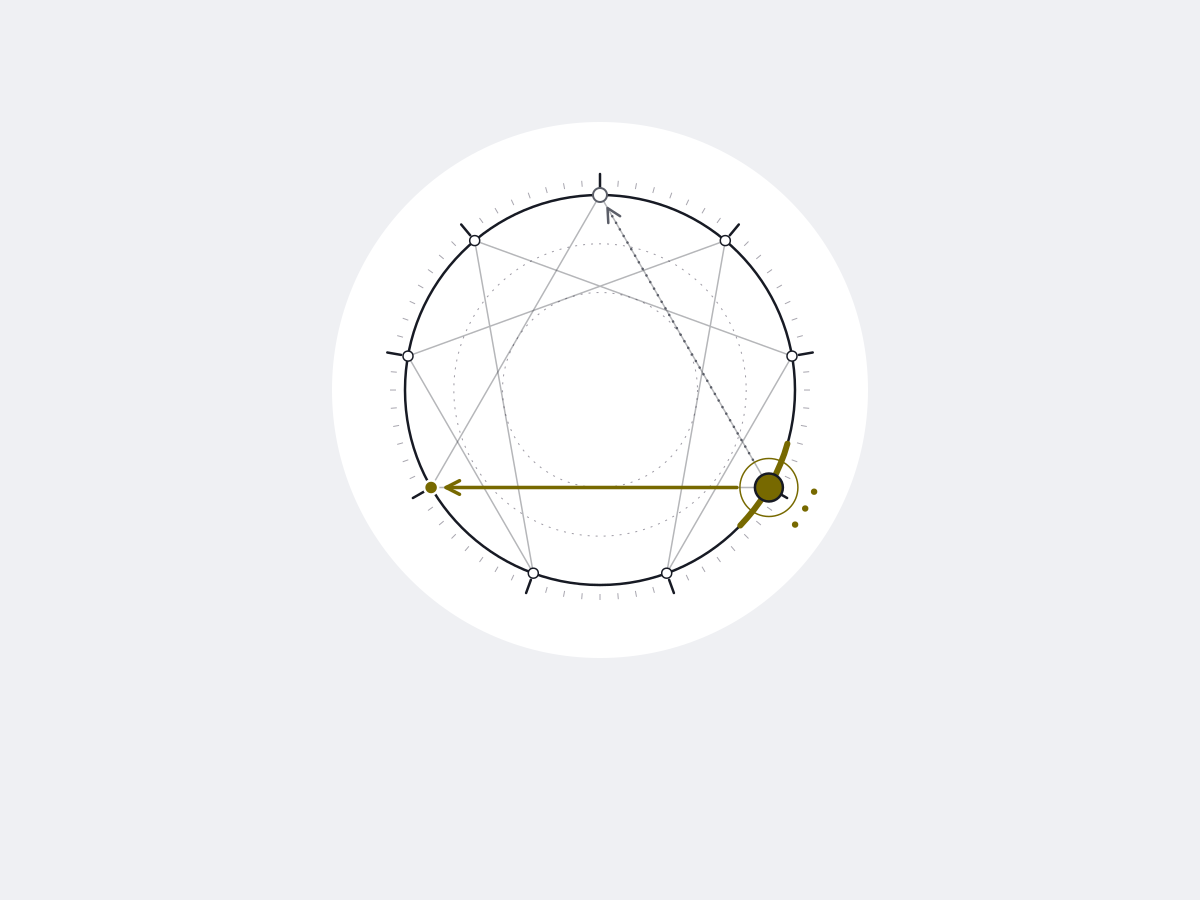

so-3 is the Social subtype of Type 3. These Threes care about status and recognition in groups. They tend to read what a community admires and work to embody it, which often makes them the most visibly ambitious Threes.
What is a Social Three?
A Social Three is a Type 3 whose leading instinct is standing and connection in groups. They often know what impresses an audience and how to deliver it. Many enjoy titles, stages and visible wins. They tend to be polished, persuasive and good at building networks, and they may feel uneasy when nobody is watching.
Imagine someone who walks into a conference, finds the three people worth meeting within ten minutes, and leaves with a speaking slot for next year. They are good company, quick with a story and genuinely skilled. Their reputation matters to them, and they tend it like a garden.
The core is Type 3, The Driver, the type driven to be successful and valued. Claudio Naranjo is credited with the idea of instinctual subtypes. The take below is ours and is best read as a set of tendencies.
How is so-3 different from sp-3 and sx-3?
All Threes want to be seen as valuable. The so-3 looks for that value in public status and group recognition. The sp-3 seeks it through hard work and a secure life, often quietly. The sx-3 seeks it by being attractive and supportive to a partner or close circle. The so-3 is usually the most visible.
A Self-Preservation Three might avoid the spotlight entirely. A One-to-One Three might pour their drive into a partner's success. The Social Three tends to want their own name on the door.
| Setting | Typical so-3 pattern |
|---|---|
| New group | Reads the room and finds the key people |
| Work | Seeks visible roles and clear markers of success |
| Social media | Curates a polished, consistent image |
| Setbacks | Reframes them quickly as a win or a lesson |
| Praise | Feels energized and motivated to do more |
What are the strengths of a Social Three?
Many Social Threes are confident, inspiring and highly effective. They can rally a group toward a goal and present ideas so people get excited. They understand what makes a project or a person appealing. When healthy, they use those skills to lift others up, sharing credit and opening doors.
- Natural public speaking and presenting
- Skill at building teams and networks
- Clear sense of what a group values
- Energy that motivates others
- Ability to turn ideas into visible results
What do Social Threes struggle with?
A Social Three can struggle with the gap between their image and their inner life. They may shape themselves to fit what a group admires and lose touch with what they want. Failure can feel unbearable in public. Some find it hard to show doubt, sadness or need, even with close friends.
There can also be pressure to always be on. A day without progress may feel like falling behind, even when nobody else is keeping score.
How does an so-3 act in close relationships?
In close relationships, a Social Three is upbeat, encouraging and fun to plan a life with. They may want the relationship to look good to others as well as feel good. A partner can feel like part of the brand. Closeness grows when the so-3 lets their partner see the private, unpolished version of them.
Try sharing one thing a week that did not go well. Partners can help by showing they love the so-3 most when the performance stops, not when it is at its best.
What happens to a Social Three under stress?
Under stress, Threes often move toward Type 9 traits along their stress line. A stressed so-3 may lose drive, avoid hard tasks and drift into distraction. After a public setback, they may withdraw and feel flat. Rest, honest support and a smaller next step usually help them find their energy again.
The Type 9 guide shows that stuck, low-energy side. Signs of strain include canceling plans and losing interest in goals that once felt urgent.
How can a Social Three grow?
Growth for a Social Three often means letting their worth rest on who they are, not on what others see. Along the growth line, Threes gain Type 6 traits: loyalty, cooperation and trust in a team. A good habit is to share credit freely and to support a goal that will never carry their name.
- Tell a friend about a recent failure.
- Do one good thing a week in private.
- Ask what you want, apart from what impresses people.
- Step back so someone else can lead.
The Type 6 page describes the loyalty and teamwork this line brings.
How do I know if I am a Social Three?
You may be a Social Three if Type 3 fits you and much of your drive centers on reputation and status in a group. Notice whether you think about how you come across, whether visible success motivates you, and whether a strong public profile matters to you. If so, consider so-3.
Compare the two wings, 3w2 and 3w4, for another angle on your style. You can learn more about stacks in our instincts explainer. If your core type is not settled yet, the test is the place to begin.
Frequently asked questions
What is an so-3?
An so-3 is a Type 3, the Driver, who leads with the Social instinct. They tend to seek recognition and status in groups and often build a strong public image.
Are so-3s the most ambitious Threes?
Many so-3s show their ambition most openly. They often enjoy titles, stages and public wins, and they are skilled at reading what an audience values.
How is so-3 different from sp-3?
An so-3 tends to seek visible success and recognition. An sp-3 tends to work hard quietly for security and avoids looking flashy.
How do I know if I am an so-3?
If Type 3 fits you and you care a lot about your reputation, your network and how a group sees you, you may lead with the Social instinct.