Type 6
Enneagram Type 6 at Work: Strengths, Settings and Growth
How Type 6, the Steadfast, tends to work: loyal strengths, the settings that suit Sixes, common pitfalls, stress and growth, and paths many Sixes enjoy.
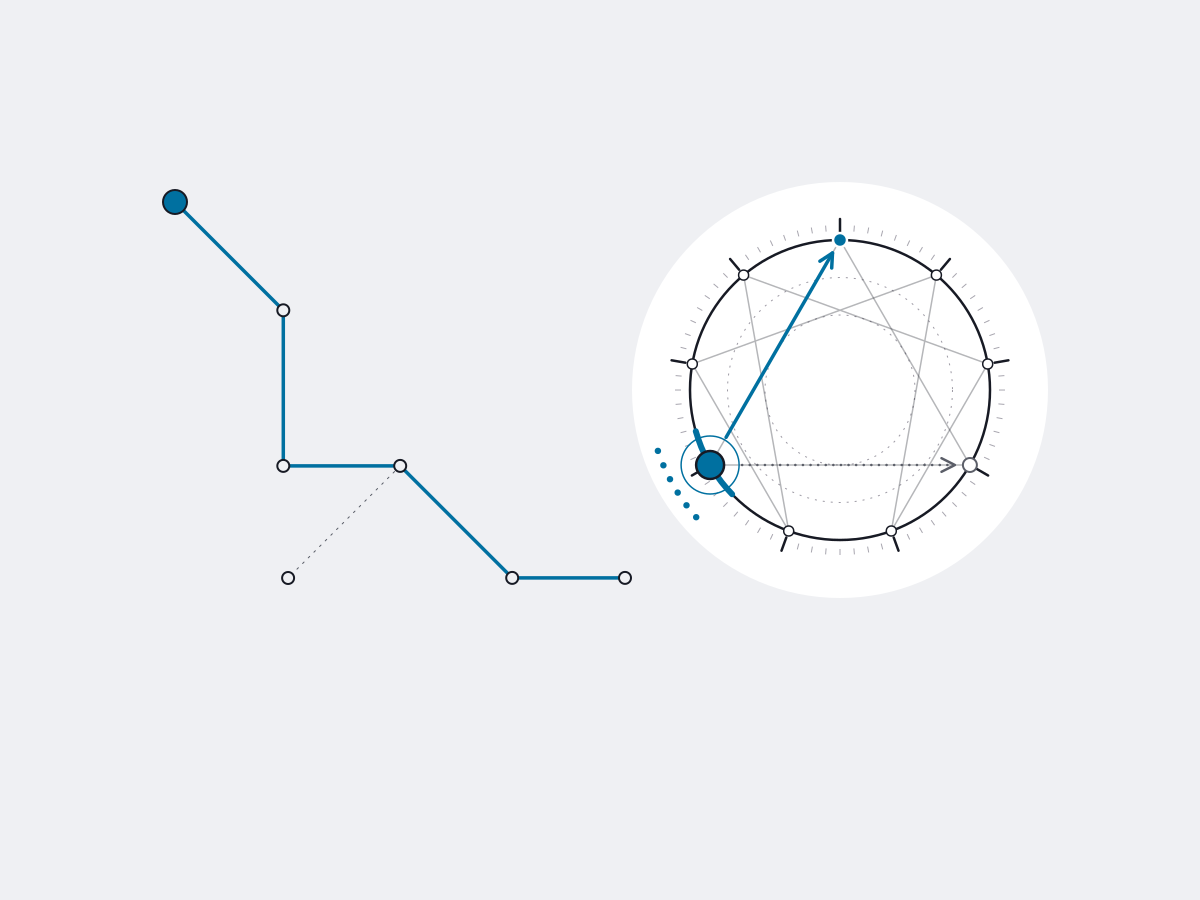
Type 6 at work describes how many Sixes, the Steadfast, tend to show up on the job. They often bring loyalty, foresight and steady effort. They want work that feels secure, with people and plans they can count on.
What are Type 6's strengths at work?
Many Sixes are loyal, careful and good at spotting risk before it becomes a problem. They think ahead, ask the hard questions and stick with a team through rough patches. Sixes often build the backup plan nobody else thought of. Their steady presence helps others feel safe at work.
Picture a team planning a big outdoor launch. Everyone is excited about the stage and the music. One person asks, "What happens if it rains?" Then they book a tent, just in case. When the storm rolls in, the event goes on. That kind of foresight is a Six at their best.
- Spotting risks early
- Loyal, steady teamwork
- Careful planning and backup options
- Asking the questions others skip
- Strong sense of duty and fairness
What work settings suit Type 6?
Sixes tend to do best where roles are clear, leaders are honest and the team has each other's backs. They like knowing the plan and the reasons behind it. Chaotic, secretive or unstable places can keep them on edge. Many Sixes thrive once trust is earned and kept.
| Tends to energize | Tends to drain |
|---|---|
| Clear roles and plans | Sudden changes with no reason |
| Honest, open leaders | Hidden agendas and office gossip |
| A team that backs each other | Being left alone with big risks |
| Time to check and prepare | Pressure to decide on the spot |
| Steady, fair policies | Rules that shift with the boss |
A Six can thrive in a fast job if trust is strong. A Six who works as a paramedic may stay calm in chaos because they know their partner and their training will hold.
Which career paths do Sixes often enjoy?
Many Sixes are drawn to roles where care and caution keep people safe. Common fits include safety and risk, health and emergency services, operations and logistics, law and policy, and testing or support work. These paths reward foresight and loyalty. A Six can bring steady care to almost any field.
Your type is a guide for thinking, not a career verdict. A Six who loves the outdoors might lead mountain safety courses. A Six who loves tech might test apps until every bug is found. What they share is a wish to make things solid and safe.
What pitfalls can Sixes face at work?
The most common pitfall for Sixes is doubt. They may second-guess good choices, ask for too many opinions or freeze when a call has to be made. Worst-case thinking can wear them out. Some Sixes also swing between trusting a leader fully and suspecting every move they make.
A Six might check the same contract three times, then ask two coworkers to check it again. They may also read a short email from the boss as a warning sign, even when it is just a busy day.
How does a Type 6 handle stress at work?
Under stress, Sixes often move toward traits of Type 3. A stressed Six may push hard to look capable, take on too much and hide their worry behind busy work. They may chase approval from leaders. Sleep, a trusted ally and a clear next step usually help them settle.
Warning signs include working late to prove themselves, hiding doubts behind a smile, and feeling that one mistake will cost them everything. Talking it through with someone they trust often brings quick relief.
How can a Type 6 grow at work?
Growth for a Six at work often looks like moving toward Type 9. That means more calm, more trust in the process and less bracing for trouble. A helpful habit is to notice when a fear is a guess, not a fact, and to take one small step anyway.
- Write down a worry, then list what you know for sure.
- Make one small decision without asking anyone.
- Take a short walk before a tough meeting.
- Notice one thing going well each afternoon.
- Trust a teammate with a task and let go of it.
How can teammates work well with a Type 6?
Teammates can work well with a Six by being honest, steady and clear. Share the plan and the reasons behind it. Keep your promises, because trust matters a great deal to Sixes. When they raise a risk, take it seriously and talk it through instead of brushing it aside.
If a Six seems anxious about a change, give them time to ask questions. A calm "Here's what we know so far" goes a long way.
Should a Type 6 choose a career by type?
A Six can lean on type as a tool for reflection, but not as a guarantee. Skills, interests, pay, values and daily needs matter more than type when picking work. Type might help a Six see why some roles feel safe and others feel shaky. It cannot predict success.
Read the full Type 6, The Steadfast hub to see how Sixes think, worry and grow. Not sure yet? Take the test and compare your top results.
Career clusters
- Safety, risk and security
- Health, emergency and public services
- Operations, logistics and planning
- Law, policy and compliance
- Testing, support and systems work
- Teaching and team coordination
Frequently asked questions
What is Type 6 like at work?
Type 6, the Steadfast, tends to be loyal, responsible and alert to risk at work. Many Sixes plan ahead and are the first to spot what could go wrong.
What jobs suit Enneagram Type 6?
Many Sixes enjoy work with clear duties and a team they trust, such as safety, operations, public services, law, testing or support work. Any type can thrive in any field.
What do Sixes struggle with at work?
Sixes can struggle with self-doubt, worst-case thinking and trusting leaders. Some seek a lot of reassurance before they act on a decision.
Should I pick a career based on my Enneagram type?
Type can help you think, but it should not decide for you. Your skills, interests, values and real-life needs matter most.
How can a Type 6 grow at work?
Many Sixes grow by moving toward Type 9. They relax, trust the process and find calm in the present instead of bracing for every risk.