Type 5
Enneagram sp-5: The Home-Base Thinker
What a Self-Preservation Five (sp-5) is: a Type 5 who guards a private space and limited energy. Strengths, struggles, relationships, stress and growth.
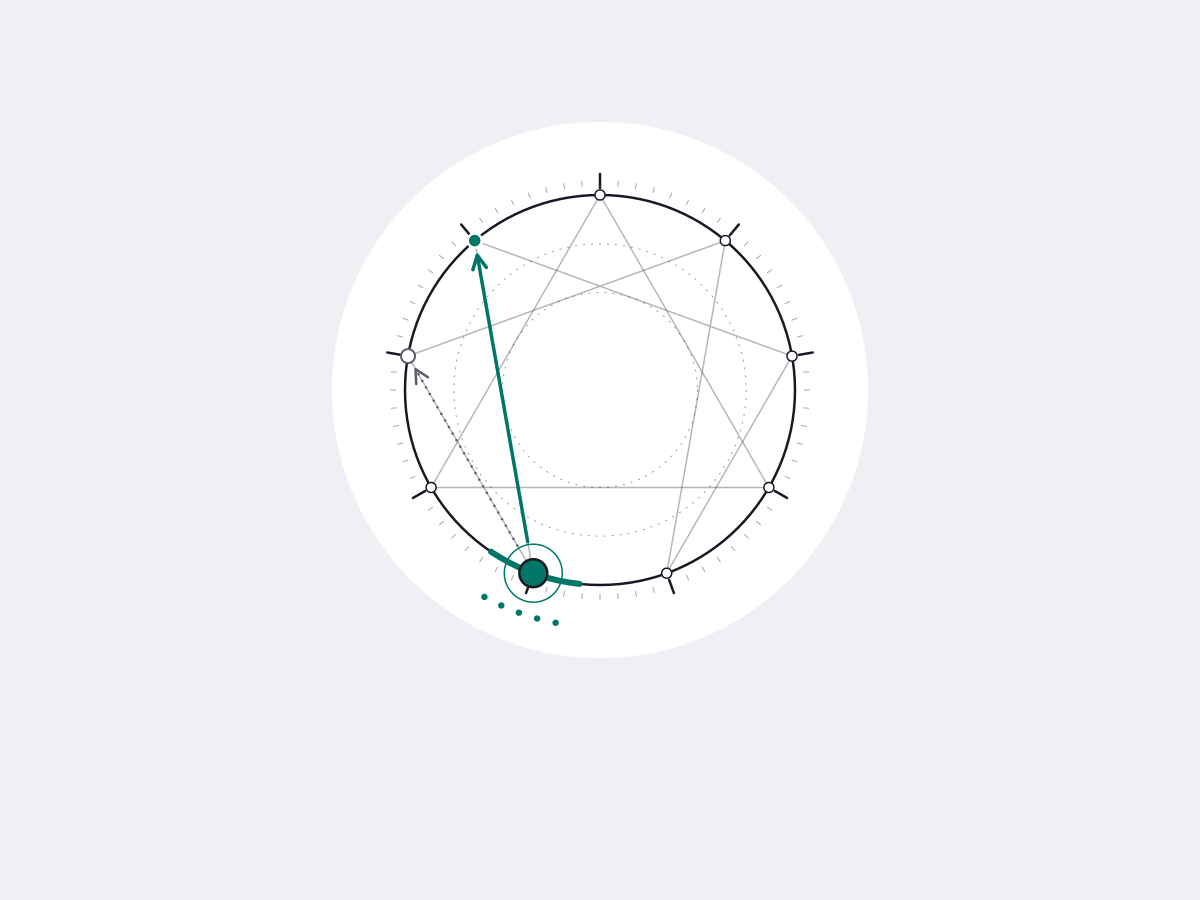

sp-5 is the Self-Preservation subtype of Type 5. These Fives focus on a safe, private home base and clear limits on their time and energy. Many live simply, need little, and feel most at ease when they can close the door.
What is a Self-Preservation Five?
A Self-Preservation Five is a Type 5 whose leading instinct is safety and resources. They want a private place where nobody makes demands on them. Many are careful with money, time and energy, and happy with a simple life. They tend to be the most private Fives, sharing their inner world with very few people.
Imagine someone whose ideal Saturday is a full fridge, a locked door, a stack of books and no messages. They are not sad or lonely. They are refilling a tank that empties fast when other people need things from them.
This subtype belongs to Type 5, The Scholar, the type that seeks understanding and guards its energy. The idea of instinctual subtypes is credited to Claudio Naranjo. We describe it here in our own words, as patterns rather than rules.
How is sp-5 different from so-5 and sx-5?
All Fives value knowledge and privacy. The sp-5 focuses on a safe home base and strong limits. The so-5 connects through ideas and expert communities. The sx-5 seeks one rare, trusted bond and can be surprisingly intense in it. The sp-5 is usually the most withdrawn of the three.
A Social Five might spend weekends at a conference full of fellow experts. A One-to-One Five might spend hours in deep talk with one trusted person. The Self-Preservation Five would often rather stay home and recharge.
| Area | Typical sp-5 pattern |
|---|---|
| Home | A quiet, well-stocked retreat |
| Money | Careful spending and low needs |
| Time | Firm limits on meetings and visits |
| Sharing | Very selective about who knows what |
| Social plans | Prefers notice, short visits and an exit |
What are the strengths of a Self-Preservation Five?
Many Self-Preservation Fives are independent, calm and resourceful. They need little and can make a lot from a small budget. They think clearly under pressure because they do not panic easily. Their strong boundaries protect their focus, and they often develop deep skill in subjects they care about.
- Self-reliance and low needs
- Clear, calm thinking
- Strong, healthy boundaries
- Deep focus on chosen subjects
- Skill at making resources stretch
What do Self-Preservation Fives struggle with?
A Self-Preservation Five can struggle with isolation and holding back. They may avoid people to protect their energy, then feel cut off. Fear of running out of time or resources can make them stingy with themselves and others. Some go so long without sharing that people stop asking.
They may also wall off feelings, treating them as another demand to manage. Small, planned moments of connection can keep life from shrinking too much.
How does an sp-5 act in close relationships?
In close relationships, a Self-Preservation Five is loyal, steady and respectful of their partner's space. They show love through reliability and thoughtful help. They may need far more alone time than a partner expects. Closeness grows when the sp-5 explains this need clearly and still makes regular time to connect.
A phrase like "I need two hours alone, then I'd love to have dinner with you" prevents a lot of hurt. A partner can help by giving advance notice of plans and respecting the sp-5's home base.
What happens to a Self-Preservation Five under stress?
Under stress, Fives often move toward Type 7 traits along their stress line. A stressed sp-5 may become scattered, jump between projects or seek distraction to escape pressure. They may spend energy they usually guard. Quiet time, sleep and returning to one task usually help them settle.
The Type 7 guide shows what that scattered energy can feel like. Signs of strain include starting many things at once and finishing none.
How can a Self-Preservation Five grow?
Growth for a Self-Preservation Five often means trusting that they have enough to give. On the growth line, Fives move toward Type 8 traits: confidence, action and presence. A helpful habit is to share one idea or offer one act of help each day without first checking if you can afford it.
- Invite someone into your space once a month.
- Share a thought before it feels fully finished.
- Spend a little on something that brings joy.
- Say yes to a short plan without a planned exit.
The Type 8 page describes the strength this growth line builds.
How do I know if I am a Self-Preservation Five?
You may be a Self-Preservation Five if Type 5 fits you and your sense of safety rests on privacy and a home base. Notice whether you guard your energy closely, live simply and dislike unplanned demands. If retreat matters more than groups or intense bonds, sp-5 is likely.
Explore how wings shape a Five on the 5w4 and 5w6 pages. For more on how the drives combine, read our instincts guide. If you are still checking your core type, take the test.
Frequently asked questions
What is an sp-5?
An sp-5 is a Type 5, the Scholar, who leads with the Self-Preservation instinct. They focus on a safe, private space and on guarding their time, energy and resources.
Why do sp-5s need so much space?
Many sp-5s feel their energy is limited. A private retreat lets them recharge and feel safe before facing more demands.
How is sp-5 different from so-5?
An sp-5 tends to focus on a private home base and clear limits. An so-5 tends to connect through ideas and groups built around knowledge.
How do I know if I am an sp-5?
If Type 5 fits you and you feel strongly about privacy, a secure home base and protecting your energy, you may lead with Self-Preservation.