Type 3
Enneagram Type 3 at Work: Strengths, Settings and Growth
How Type 3, the Driver, tends to work: goal-setting strengths, the settings that suit Threes, common pitfalls, stress and growth, and paths many enjoy.
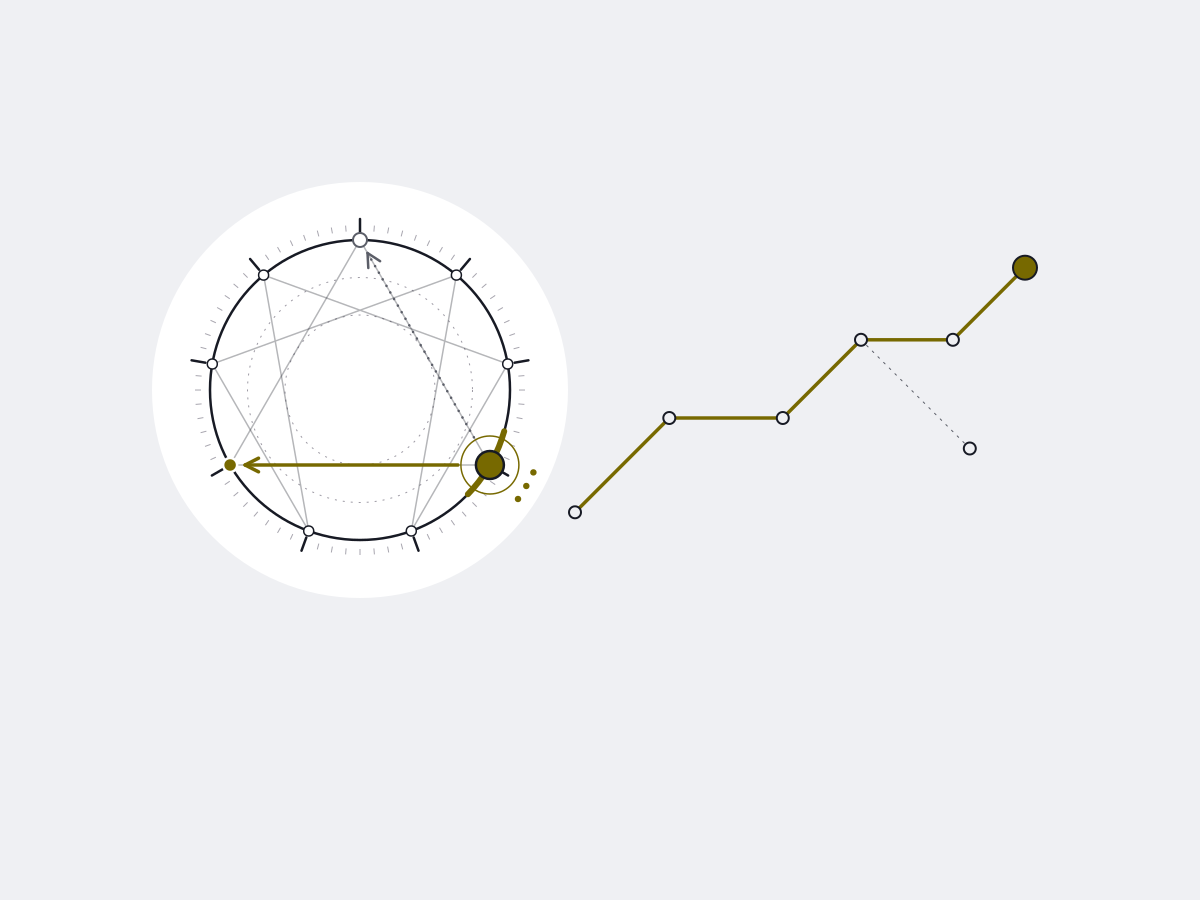

Type 3 at work describes how many Threes, the Drivers, tend to show up on the job. They often bring drive, polish and a talent for getting results. They want work where effort leads to clear, visible progress.
What are Type 3's strengths at work?
Many Threes are focused, quick and skilled at turning a goal into a plan. They adapt to new settings with ease and know how to present ideas well. Threes often lift a team's energy and keep everyone pointed at the finish line. They like to win, and they work hard to get there.
Imagine a project that has stalled for weeks. A new team lead shows up, sets three clear goals, gives each person one task and posts a progress chart on Monday. By Friday, things are moving. That kind of push is a common Type 3 strength.
- Turning big goals into clear next steps
- Reading what an audience wants
- Keeping momentum when others stall
- Presenting work with confidence
- Learning new roles quickly
What work settings suit Type 3?
Threes tend to do best where goals are clear and wins are seen. They like fast pace, room to grow and fair rewards for effort. Slow, unclear or stuck settings can make them restless. Many Threes also enjoy a little friendly competition, as long as it does not turn toxic.
| Tends to energize | Tends to drain |
|---|---|
| Clear targets and scoreboards | No way to measure progress |
| Room to advance and learn | Dead-end roles with no next step |
| Fast pace and fresh challenges | Long delays and endless meetings |
| Credit for strong results | Work that is never seen or shared |
| Teams that care about the craft | Low effort treated as normal |
A Three can thrive in a quiet job too, if they can see where it leads. A Three in a lab may set their own weekly goals just to feel the pull of a finish line.
Which career paths do Threes often enjoy?
Many Threes are drawn to work with goals, an audience and a path upward. Common fits include sales and marketing, startups and product work, management, media and coaching. These paths reward drive and polish. Still, a Three can bring energy and focus to any job that offers room to grow.
Type will not hand you a job title. A Three who loves music might run the business side of a small label. A Three who loves science might lead the team that turns a lab idea into a product people can buy. The pull toward progress is what they share.
What pitfalls can Threes face at work?
The most common pitfall for Threes is losing themselves in the role. They may work long hours, skip rest and measure their worth by their last result. Some shape their image so well that even they forget what they feel. Failure can sting hard and feel very personal.
A Three might say yes to a promotion they do not want because saying no feels like losing. They can also rush past people's feelings to keep a project on time, then wonder why the team seems distant.
How does a Type 3 handle stress at work?
Under stress, Threes often move toward traits of Type 9. A stressed Three may stall, numb out with screens or busywork, and lose their usual spark. They may go through the motions without caring. Rest, honest talk with a friend and one clear priority often help them recover.
Early signs include working late without getting much done, feeling flat after a big win, and avoiding questions about how they really are. A short walk without a phone can be a quiet reset.
How can a Type 3 grow at work?
Growth for a Three at work often looks like moving toward Type 6. That means caring about the team as much as the goal, sharing credit and being honest about doubts. A good habit is to ask the group what success means to them before setting the next target.
- Share credit by name in every team update.
- Admit one doubt or mistake in a meeting.
- Take a full day off with no work email.
- Ask yourself if a goal is yours or just expected.
- Spend time on one task where nobody keeps score.
How can teammates work well with a Type 3?
Teammates can work well with a Three by being clear about goals and fast with feedback. Threes like efficiency, so keep meetings short and focused. Notice their effort, not only the result. When you need to give hard news, frame it as a way to improve, not as a verdict.
If a Three seems to be pushing too hard, ask how they are doing as a person, not just how the project is going. Many Threes rarely get that question.
Should a Type 3 choose a career by type?
A Three can treat type as one clue among many when thinking about work. It is not a career test. Skills, interests, values and life needs should lead the choice. Type may help a Three notice when they chase a role for the image instead of the work itself.
Read the full Type 3, The Driver hub to learn what drives Threes and how they grow. Not sure of your type yet? Take the test and see your core type.
Career clusters
- Sales, marketing and brand work
- Business, startups and product
- Management and operations
- Media, presenting and public speaking
- Sports, fitness and coaching
- Consulting and project delivery
Frequently asked questions
What is Type 3 like at work?
Type 3, the Driver, tends to be focused, efficient and goal-minded at work. Many Threes set clear targets, adapt fast and keep a team moving forward.
What jobs suit Enneagram Type 3?
Many Threes enjoy roles with clear goals and visible results, such as sales, marketing, startups, management, media or coaching. Any type can thrive in any field.
What do Threes struggle with at work?
Threes can overwork, tie their worth to their title and hide doubts behind a confident image. They may cut corners on rest or feelings to hit a goal.
Should I pick a career based on my Enneagram type?
No single lens should choose your career. Type can help you reflect, but skills, interests, values and real-world needs matter much more.
How can a Type 3 grow at work?
Many Threes grow by moving toward Type 6. They become loyal team players who share credit, admit doubts and care about the group as much as the goal.