Type 6 and needing reassurance in a new relationship: what helps
Why a Type 6 often wants extra reassurance early in a relationship, what research on reassurance seeking suggests, and small habits that help both partners settle.
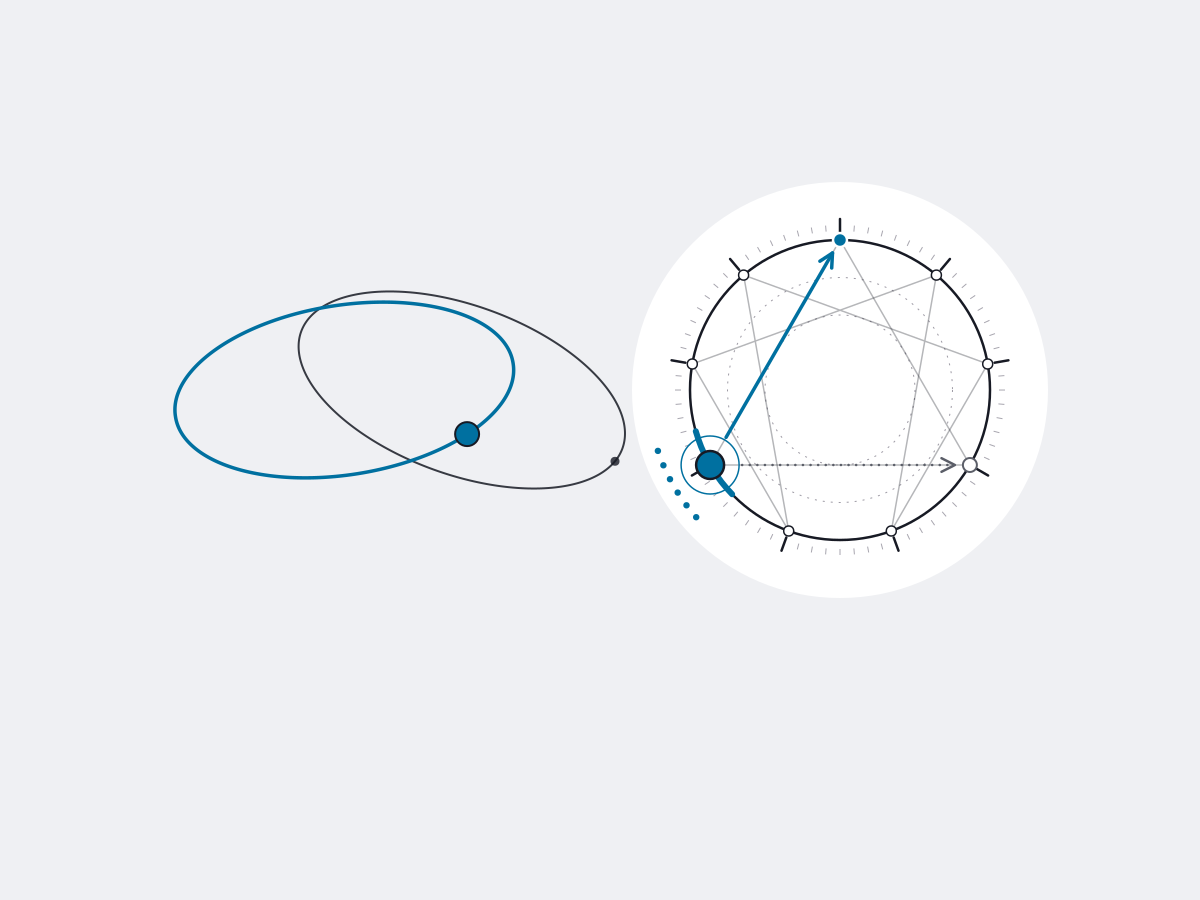

Type 6 reassurance in a new relationship is common: with little history to go on, a Six often scans for signs that things are safe and asks for a little proof. Steady signals from a partner help most. So does a Six who names the worry, asks once, and lets the answer settle.
You're three weeks in. Your new partner hasn't texted back since lunch, and you notice your mind drafting explanations. Maybe they're busy. Maybe something changed. If that sounds familiar, you may be seeing a common pattern in Type 6, the Steadfast: a strong wish for certainty that gets louder when the ground is new.
This isn't a flaw, and it isn't a prediction. It's a tendency, and tendencies can be worked with. Below: what's going on, what related research says about reassurance seeking, and a few small things to try.
Why a new relationship stirs up doubt for Type 6
Many Sixes put a high value on feeling secure, and a new relationship has the least security of any stage. There are no shared stories yet, no proof that this person stays calm when you disagree, and no habit of being together to lean on.
One academic description of the type, in a paper on the Enneagram and adult development, puts it this way: the loyal skeptic believes you must gain protection and certainty in a hazardous world you can't fully trust in order to feel loved, secure and worthy. The same description lists real strengths: trustworthy, inquisitive, a good friend, questioning. It also names the other side: overly doubtful, accusatory and fearful. You can read the full description in the source.
Put those together and a new relationship is a hard moment. You care a lot. You can't verify much yet. So your attention goes to checking. Many Sixes say the checking feels like being careful, not like being anxious.
Keep it in proportion, though. The Enneagram is a reflection tool with mixed research support, and no description fits every Six.
What reassurance seeking looks like in practice
It rarely looks dramatic. Many people recognize some of these:
- Asking "are we okay?" after a perfectly normal day
- Asking a question you already know the answer to, just to hear it again
- Reading tone into short messages
- Testing the water with a "what if" ("what if I turned out to be difficult?")
- Waiting for a partner to slip before you let yourself relax
There is a strength inside this. The same watchfulness that makes you ask can also help you spot a real problem early. And once a Six decides to trust, they are often deeply dependable. The goal isn't to stop caring about safety. It's to give the worry a better route than repeated checking.
Why reassurance does not always stick
A note before the studies: they're about attachment style, not Enneagram type, and they don't show that Sixes have a particular attachment style. They're useful because they look at the same behavior, asking again and again to hear that you're okay.
In a daily diary study of 110 couples over 14 days, people with an anxious attachment style reported more daily reassurance seeking, and lower trust also went with more reassurance seeking. For women with an anxious attachment style, seeking reassurance was followed by lower trust the next day. The authors conclude that the combination of insecurity and reassurance seeking leads to negative consequences, not the asking by itself. They also describe how people who worry a lot often don't fully believe the reassurance they receive, and keep seeking it.
A separate review of attachment and stress in couples describes anxious attachment as worrying about being underappreciated or abandoned, and staying alert to signs that a partner is pulling away. Its model predicts that partners may tire of providing reassurance, which the anxious person may read as rejection. That is a prediction from a model, not a tested finding. The review also notes that distress during conflict discussions is substantially lower when a partner reports higher commitment.
Read together, and with the limits in mind (small, specific samples; correlation, not cause), a picture appears. A quick yes helps for a moment. It doesn't build lasting trust when the worry is whether the yes is real. Steady behavior over time does more of that work.
What helps a Six settle
Try small, practical steps. You don't need all of them, and one is plenty to start.
- Name the worry in one sentence first. "I notice I'm worried you're losing interest" gives your partner something to answer. "Are you mad at me?" often doesn't.
- Ask once, for something specific. "Can we pick a time for Saturday?" is easier to answer, and easier to believe, than a general "do you still like me?"
- Check the worry against the record. What has this person actually done in the last few weeks? Jot down three things. Sixes are often good at evidence once they look at it.
- Let the answer land. After you hear it, wait before asking again. Take a walk, text a friend, do something with your hands.
- Say what helped. "When you said you'd call at 8 and did, that really settled me" tells your partner what steady looks like to you.
For more on how the types show up in romantic life, see the Enneagram love guide, or read how love languages and the Enneagram fit together.
If worry is crowding out your sleep, work or friendships for weeks at a time, talk to a doctor or a licensed counselor. A personality framework can give you words for a pattern, but it can't tell you what you're dealing with.
If you're the partner of a Six
You don't have to fix anything. A few habits go a long way:
| A Six might say | What may help |
|---|---|
| "Are we okay?" | A short, plain answer: "Yes. I had a long day, nothing to do with you." |
| "You didn't text back." | Do what you said you'd do, so the pattern becomes predictable. |
| "What if this goes wrong?" | Listen first and don't call it silly. Then share what you actually feel. |
Consistency beats grand gestures. Showing up when you said you would, and saying how you feel in plain words, builds the kind of record a Six can check. If you notice you're getting tired of the questions, say so kindly and early, and suggest a rhythm you both like, such as a short check-in on Sunday. The communication guide has more on how to raise things like this without a fight.
Not sure you're a Six?
Some of this may sound like you without being your core type. Take the test to find your core type, then see how it fits.
What to take from this
Needing reassurance early in a relationship doesn't mean you're too much. For many Sixes it's what care and caution look like when there's little to go on. The research suggests that repeating the ask rarely builds trust on its own. Steady behavior from a partner, and a few habits from you (name it, ask once, check the record, let it land), give trust something to grow on.
Frequently asked questions
Is needing reassurance a sign something is wrong with me?
No. Wanting to hear that things are okay is common, and many Sixes simply do it more often early on. The Enneagram is a reflection tool, not a label for what you have. If worry has been hurting your sleep or daily life for weeks, talk to a doctor or a licensed counselor.
How often is too often to ask a partner for reassurance?
There is no set number. A better test is whether the answer lands. If you ask, hear a clear yes, and still feel the pull to ask again soon, try a different move first: write the worry down, or check it against what your partner has actually done.
Does this mean Type 6 has an anxious attachment style?
Not necessarily. The research on reassurance seeking measures attachment style, not Enneagram type. The two ideas overlap in places, but the studies cited here do not show they are the same thing.
What should a partner do when a Six keeps asking?
Be steady more than dramatic: do what you said you would, say how you feel in plain words, and don't call the worry silly. Short, kind answers usually work better than long speeches.