How can a Type 6 manage worry about holiday travel?
Why holiday trips stir up worry for many Type 6s, what research on uncertainty says, and small ways to settle the unknowns before you leave.
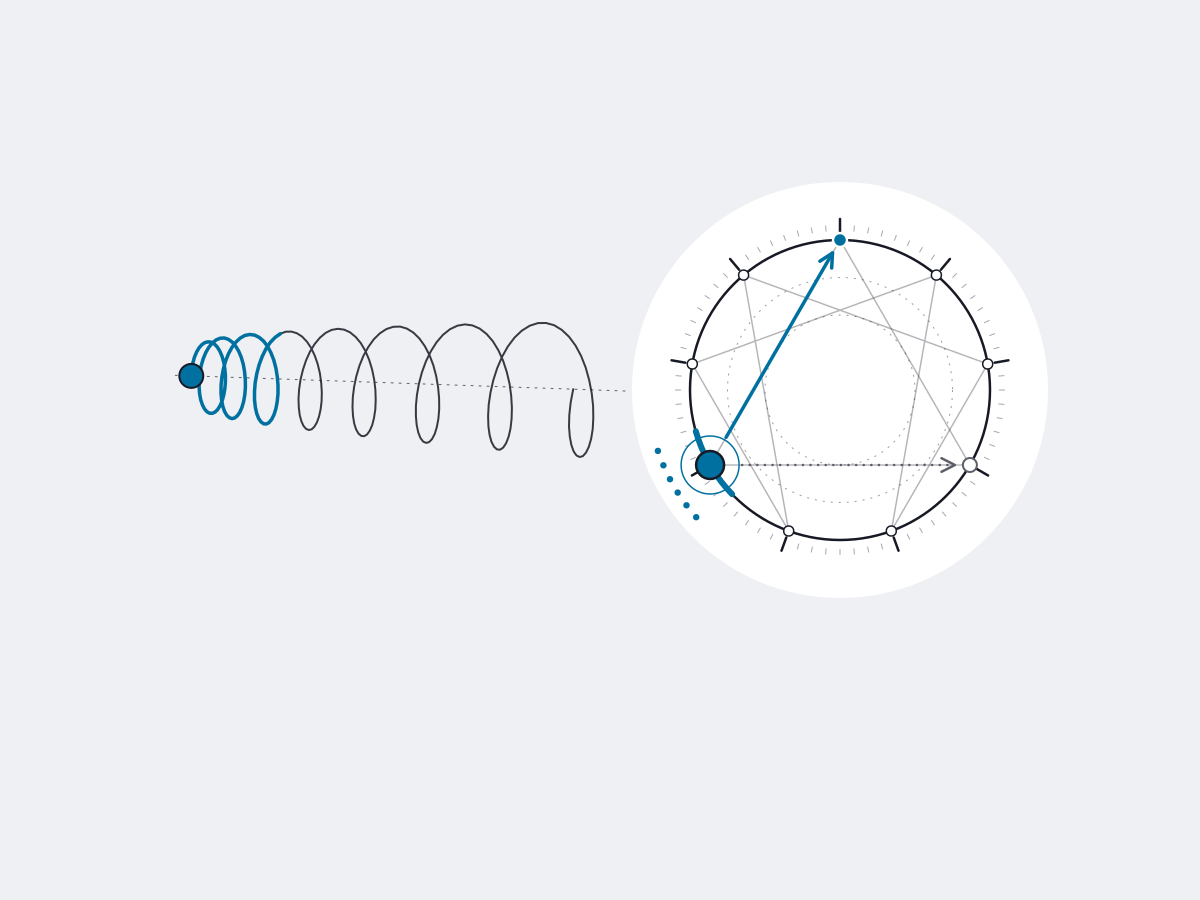
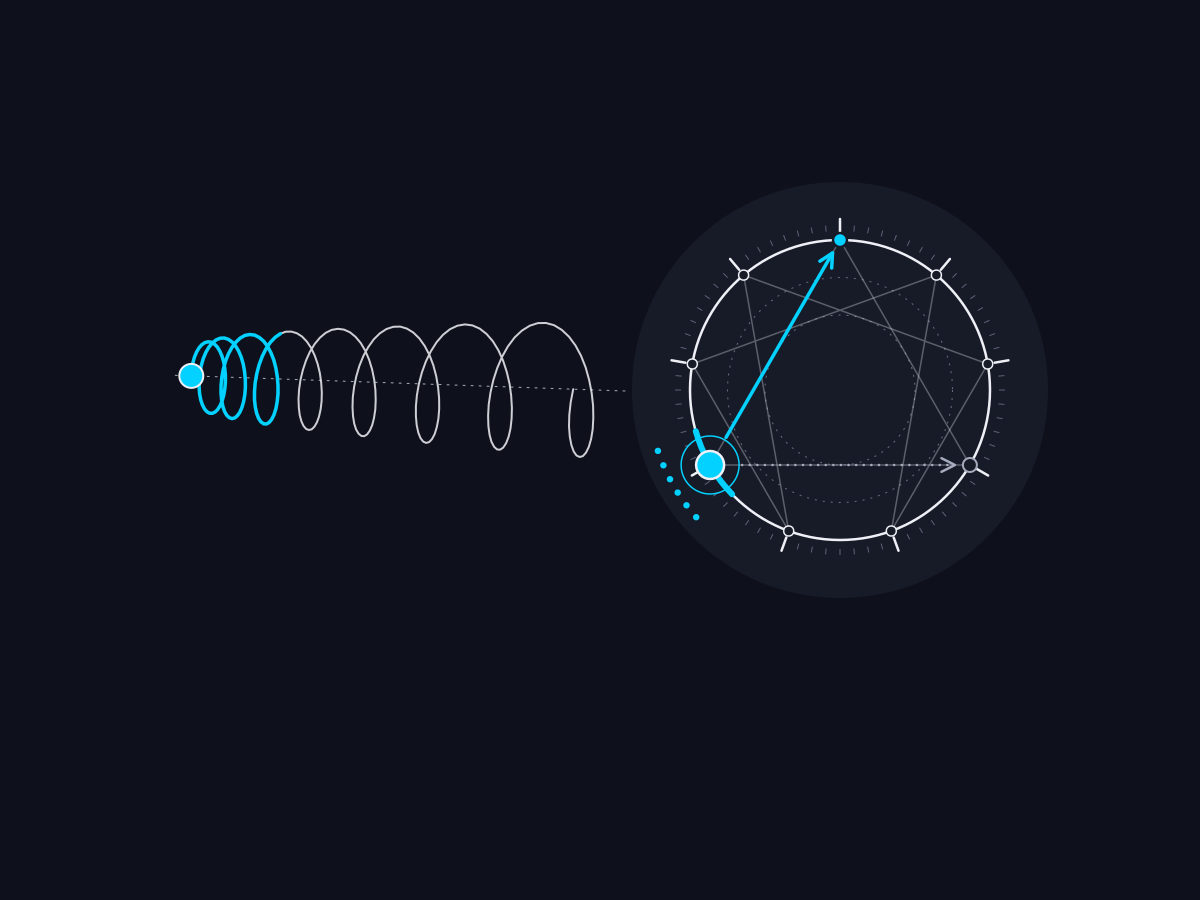
It's the night before the flight. You've checked the weather twice, reread the boarding time, and pictured the line at security. You're not being dramatic. For many people with Type 6 energy, Type 6, the Steadfast, the trip begins in the mind well before the car leaves the driveway.
This is a tendency, not a rule about who you are. On a good day the same habit makes you the friend who packed the spare charger and the first-aid kit. The trick is keeping the useful part and easing the part that keeps you up at night.
Why does a holiday trip stir up worry for Type 6?
Many Sixes look for security: a plan they can trust, people they can count on, a sense that someone has thought about what could go wrong. A holiday trip tests all of that. Delays, weather, crowded terminals, relatives with their own opinions about the schedule. Most of it is out of your hands.
Researchers who study uncertainty draw a helpful line. In a review of how uncertainty fuels anxiety, the authors describe fear as present-oriented and relatively certain, and anxiety as future-oriented and relatively uncertain. A trip next week is exactly that: a future event with open questions. The same review notes that uncertainty about future events can lead people to overestimate the threat.
The pattern shows up in other places too. In a hurricane-forecast study of 358 Florida residents, some links to worry were stronger when the forecast was less certain. That study used imagined storms, not travel, and people reported what they expected to feel. So it can't tell us how a Type 6 feels in an airport. It does fit the everyday experience that a vague situation tends to feel worse than a clear one.
What does research say about Type 6 and worry?
Less than you might hope. One network study of 859 university students in Peru found that Type 6 was the most predictable and most connected of the nine types in the way scores related to each other. The authors read this as a link to resilience and problem solving, not only to worry.
There are real limits. The students came from one private university and were picked by convenience. The design was a one-time snapshot, so it can't show what causes what, and the authors note the results can't be read for any single person. It also didn't look at travel.
Here's the honest summary. The Enneagram is a reflection tool with mixed research support, and no study we found ties Type 6 to holiday travel worry. What the research does support is simpler: uncertainty and worry go together. If that sounds like you, you can work with it whatever your type.
Where does planning help, and where does it become a loop?
Planning is a Type 6 strength. It's also where things can tip. The difference is whether a plan settles a real unknown or just repeats a check.
| Planning that settles | Planning that spirals |
|---|---|
| Booking the ride from the airport | Checking the flight status every ten minutes |
| Writing down what you'll do if a connection is missed | Imagining ten more things that could go wrong |
| Putting passports and confirmations in one folder | Repacking the same bag three times |
| Asking one person what time dinner really is | Asking five people and comparing answers |
Does unease about uncertainty make people plan earlier? The evidence is mixed. A study of flight searches in 45 countries looked at planning lead times in light of uncertainty avoidance, but it used regions as stand-ins and didn't measure the trait directly. The authors call the wider research on this link inconclusive and describe the regional differences as small. So don't assume that more planning always means less worry.
One more finding is worth knowing. In two student samples from the UK and Italy, seeing problems as threats, rather than as things you can work through, helped explain the link between not tolerating uncertainty and worrying. These were students, and the data were a snapshot, so take it as a clue, not a rule. The practical hint is this: how you frame a snag may matter as much as how many snags you spot.
What helps before and during the trip?
Think small. One practical step beats a big promise.
- Pick three decisions. Choose the ones that really matter, such as how you get to the airport, where you'll sleep, and what happens if a flight is cancelled. Settle those and let the rest stay open.
- Write an if-then backup. "If the flight is late, I'll rebook on the app and text my sister." One line per likely snag is plenty.
- Keep documents in one place. A single folder or pouch turns a hunt into a glance.
- Set a stop time. Decide the evening before when planning ends. After that, only check what's truly new.
- Say it out loud. Tell your travel partner, "I'm a bit wound up about the connection. Can we look at the plan together?" Many Sixes feel steadier when the worry is shared.
- Name what you handled before. Think of one trip that went sideways and how you got through it. That's your evidence that you can cope with surprises.
Your growth edge isn't to stop noticing risks. It's to trust that you can handle what comes, even if you didn't see it coming. For a wider look at stress habits, see the stress guide. If you want a sense of how other types handle the same moments, read how each type copes with delays and crowded airports.
Not sure Type 6 is your type? Take the test to find your core type.
What to take with you
Worry before a trip often shows that you care about the people and the plans. Settle the few things that matter, keep a simple backup, share the load with someone you trust, and let the rest stay open. You don't need a perfect plan, just enough of one to let you rest.
If travel worry keeps you home, or stress has been hurting your sleep or work for weeks, talk to a doctor or a licensed counselor.
Frequently asked questions
Is worry about travel a sign I'm a Type 6?
Not on its own. Plenty of people feel uneasy before a trip. The test looks at your wider pattern of motives, and the Enneagram is a reflection tool with mixed research support, so treat any result as a starting point for thinking, not a verdict.
Should a Type 6 plan less to worry less?
Not necessarily. Planning that settles a real unknown, like a booking or a backup route, tends to calm things. Planning that repeats the same checks can keep worry going. Settle the few decisions that matter, then stop.
What can a Type 6 do at the airport when plans change?
Decide ahead what you'll do if a flight is late or a connection is missed, and keep key documents in one place. Say your worry out loud to your travel partner. A shared plan feels lighter than one you carry alone.
When is trip worry more than a personality pattern?
If worry keeps you from traveling, or if it has been hurting your sleep or work for weeks, talk to a doctor or a licensed counselor. A personality tool can't tell you what is going on, and you don't have to sort it out alone.
Sources
- From uncertainty to anxiety: how uncertainty fuels anxiety (review)
- Situational uncertainty, anxiety sensitivity and anticipated worry (hurricane forecast study)
- Enneagram types and healthy personality to psychosocial stress: a network approach
- Air travel attitude and travel planning lead times across 45 countries
- Intolerance of uncertainty model: evidence from UK and Italian undergraduate samples