Type 2 and spending money on yourself without guilt
Why many Type 2s feel guilty buying something for themselves, and four small habits that make spending on yourself feel allowed instead of selfish.
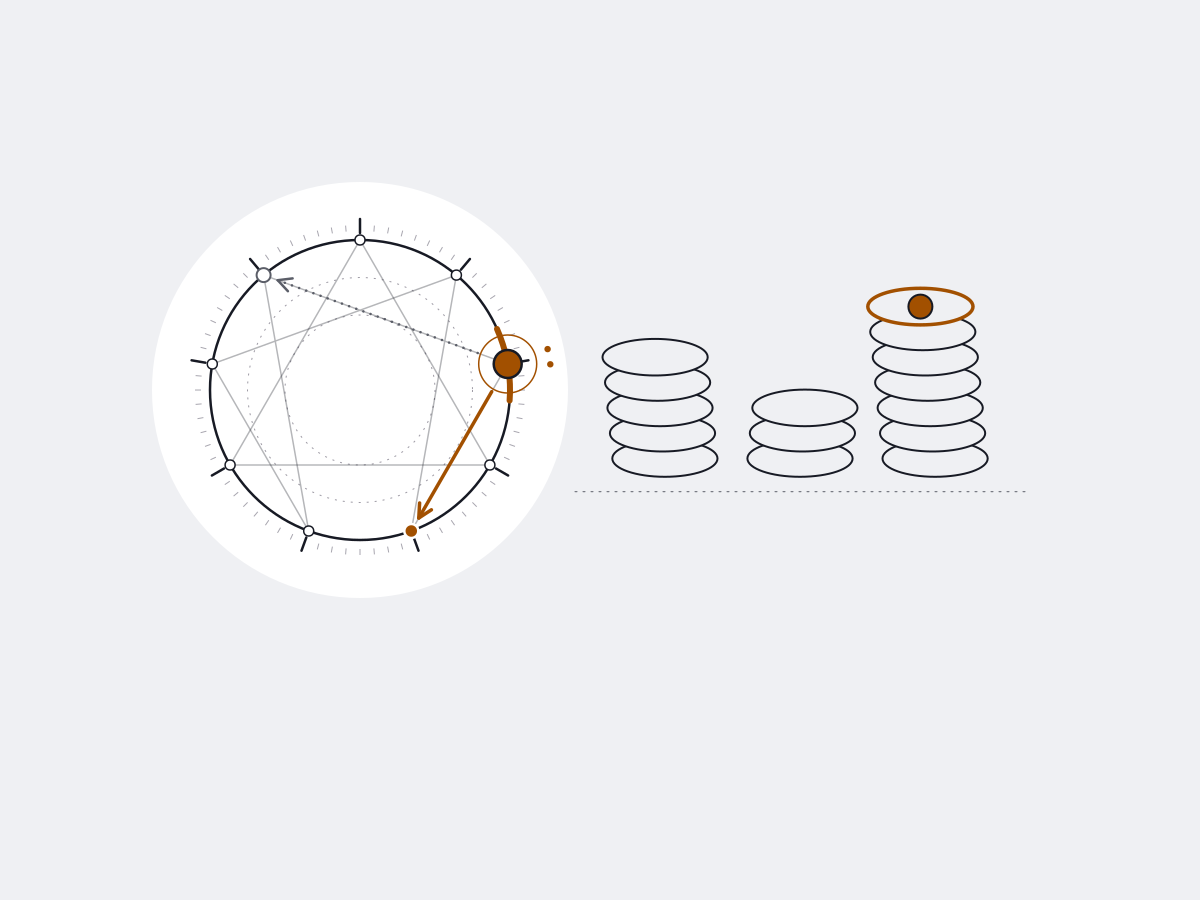
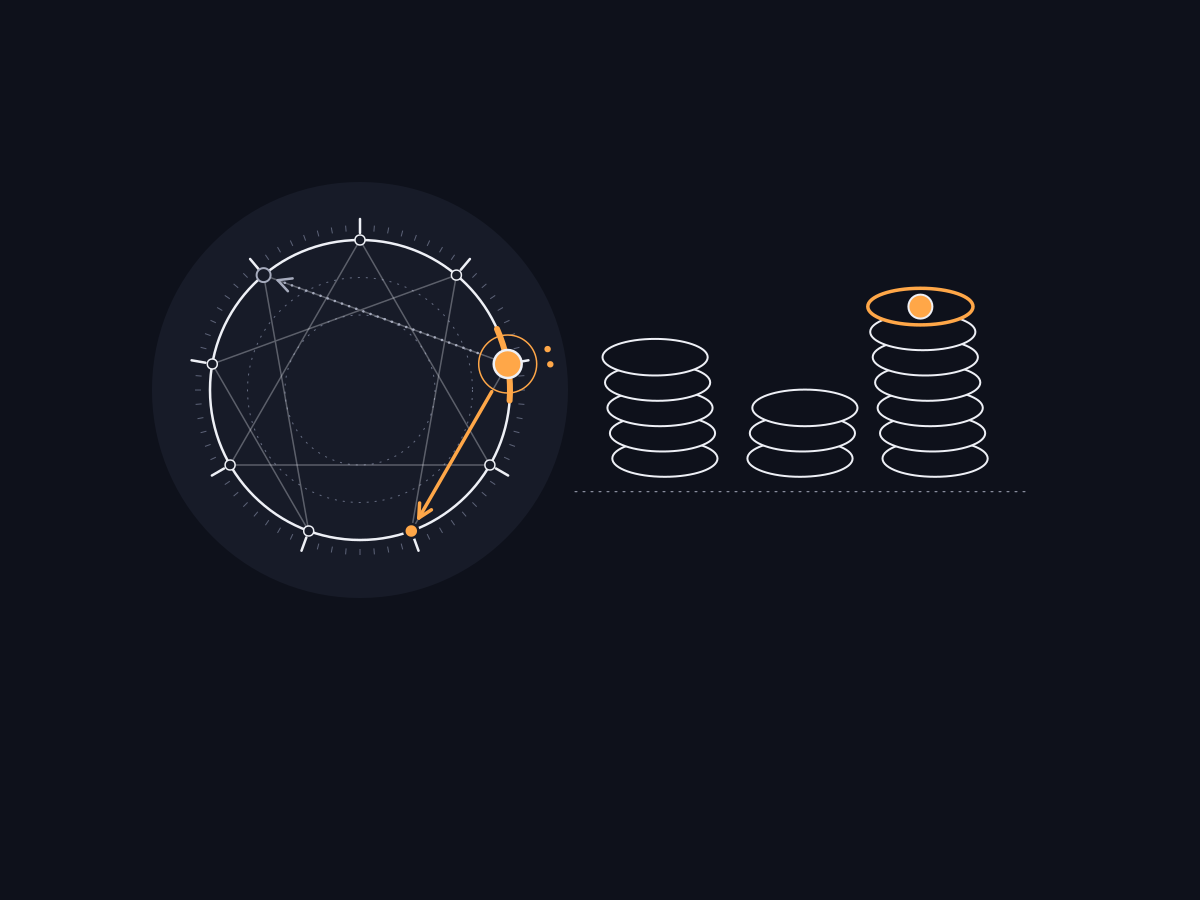
Many people with Type 2, the Nurturer feel guilty when they spend money on themselves, even on small things. Giving is how a Two feels worthwhile, so money kept for yourself can feel like money taken from someone else. A small, fixed amount that is yours to spend, decided ahead of time, tends to take the guilt out of the moment.
You know the scene. You're holding something you actually want: a good pair of shoes, a nicer coffee maker, a class you have eyed for months. Before you reach the register, you have already listed three people who could use that money more. You put it back, then buy a gift for someone else on the way out and feel a lot better.
If that sounds familiar, this piece is for you. We'll look at why the guilt shows up, what practitioners say about Twos and money, and four small things to try. One honest note first. Nearly everything here comes from therapists and coaches describing patterns they have seen, not from research. Treat it as a mirror, not a verdict.
Why does spending on yourself feel like taking?
One of the most quoted ideas about Twos is a hidden question: "Am I lovable when I am not useful?" That line comes from a 9takes guide to the types in relationships, and it helps explain the checkout moment. A gift is useful to someone. A pair of shoes for you doesn't look useful to anyone, so it can feel like the money has gone nowhere.
A second thread is about needs. A financial therapist writing about the types says Twos typically have problems acknowledging their own needs and may avoid asking for help because they don't want to be seen as a burden. If you rarely say what you need, it makes sense that you also hesitate to pay for it.
None of this means something is wrong with you. Giving is a real strength. The growth edge is letting some of that care come back to you, and the money guide shows how other types meet their own versions of this.
What does it look like with money?
Practitioners describe a few repeating patterns. Here they are side by side, with the usual reminder that these are tendencies, not rules.
| Situation | What a Two may tend to do | What it can cost |
|---|---|---|
| A friend mentions a rough month | Offers to cover something without being asked | Your own plans quietly slip |
| Gift season | Buys thoughtful extras for many people | The budget stretches past what you meant |
| A purchase for yourself | Puts it back, or buys the cheaper option | The thing you wanted stays unbought |
| Saving for the future | Helps others with theirs first | Your own long-term savings wait |
The same financial therapist says Twos often spend money as a way to bring others joy, like to buy thoughtful gifts, and that their spending and saving can be very emotionally driven. She adds that supplying another meal for a family friend or buying a "just because" gift can be hard to fit in a budget when being thoughtful is part of your identity.
A counselor who wrote about the types and money makes a similar point, with a caution that her notes are generalizations from her practice and not one-size-fits-all. She says Twos may struggle to save for their own future while wanting to help others with theirs. She also notes that a Two's generosity can become a target for dependence from other people, which is worth keeping in mind if you often end up as the person who pays.
Permission comes first
Before any budget trick, there is a smaller step. One guide for partners of Twos says Twos often need permission to put themselves first, and that taking time for yourself isn't selfish but necessary. Read that as written for you, not for someone else.
It can help to say it in your own words, out loud or on paper: "Looking after myself is part of how I keep caring for people." It may feel odd at first. That's fine. Odd isn't the same as wrong.
Four small things to try
You don't need a new personality. Pick one of these, try it for a month, and see what changes.
Give yourself a fixed line in the budget
Pick an amount that is yours to spend without a reason. Make it small enough that you will keep it going, and the same each month. When it is a line in the plan, buying something is following the plan, not taking from anyone. We can't tell you the right number, and none of the sources we read offers one. Choose one you could spend without checking who else might need it.
List everyone you buy for, then add yourself
The financial therapist's practice for Twos is to list everyone you buy for each year, because gift-giving is non-negotiable for them. Do the list, set the budget for it, and then add one more name: yours. Seeing yourself on the page next to your friends makes it a little harder to treat your own wants as an afterthought.
Say what you can give and what you need
The 9takes guide offers a short script for the moment you are about to say yes to more than you can manage: "I want to help. I have energy for this much, and I need this from you." It suggests saying this before you agree to more than you can give. It works for money too, and it needn't sound cold. "I can cover this part, and I'd like you to cover that part" is a clear sentence, and a kind one.
Ask for one concrete thing before helping someone else
The same guide describes a growth practice: ask for one concrete thing before you help someone else, and resist the urge to repay them right away. That request can feel almost selfish, it says. Start tiny. Ask a friend to pick the restaurant, or to split the bill evenly instead of you rounding up.
A growth direction: toward Type 4
In one popular stress-and-growth table, a Two's growth move points toward Type 4, the Original, described as becoming self-caring. You don't have to take on a new type's habits. The useful part is the idea itself: noticing what you feel and want, and treating it as worth attention.
What to take with you
Spending on yourself isn't a withdrawal from the people you love. It is part of how you stay able to care for them. Start with one small, planned purchase and notice how long the guilt lasts. Often it passes sooner than you'd expect.
If worry about money feels heavy and constant, or it has been hurting your sleep or your relationships for weeks, talk to a licensed counselor or a financial professional who can look at your whole situation. For more on moving toward self-care, see the growth guide. And if you aren't sure Type 2 describes you, take the test to find your core type.
Frequently asked questions
Is it selfish for a Type 2 to spend money on themselves?
No. Many Twos feel that way because giving is how they show love, but looking after your own needs keeps you able to keep giving. A small, planned amount for yourself is a budget line, not a betrayal.
Why do Twos feel guilty after buying something for themselves?
Many Twos tend to measure their worth by how useful they are to others, so spending on themselves can feel like taking from someone else. The guilt is a habit of thought, not proof you did something wrong.
How much should a Type 2 set aside for themselves?
There is no right number, and none of the sources we read gives one. Pick an amount you could spend without checking who else might need it, and keep it the same each month so you don't have to decide each time.
Does this apply to every Type 2?
No. These are tendencies described by practitioners, not research findings, and the Enneagram is a reflection tool with mixed research support. Take what fits and leave the rest.