Why does the holiday season feel bittersweet for Type 4?
Many Type 4s feel a mix of warmth and longing at the holidays. See why nostalgia stirs, what research says, and small ways to hold the ache gently.
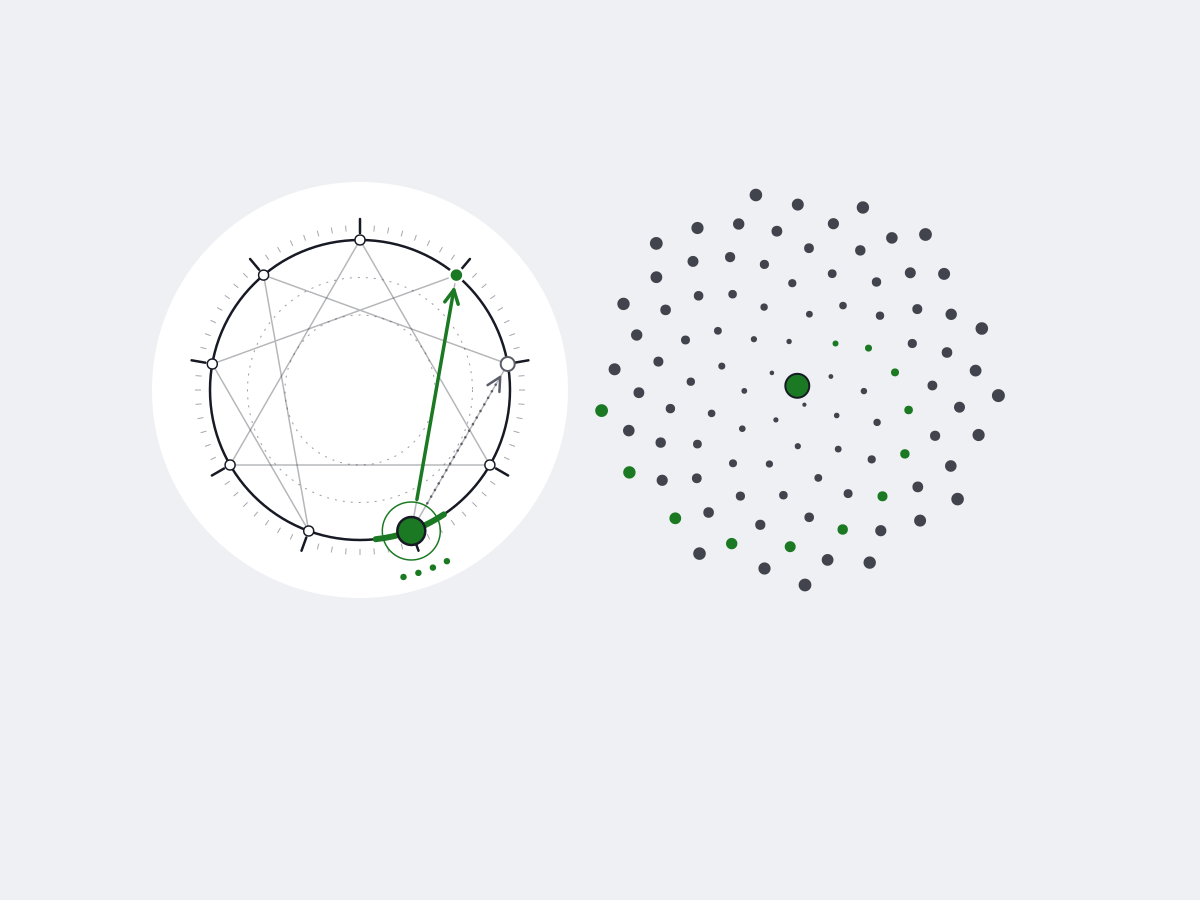
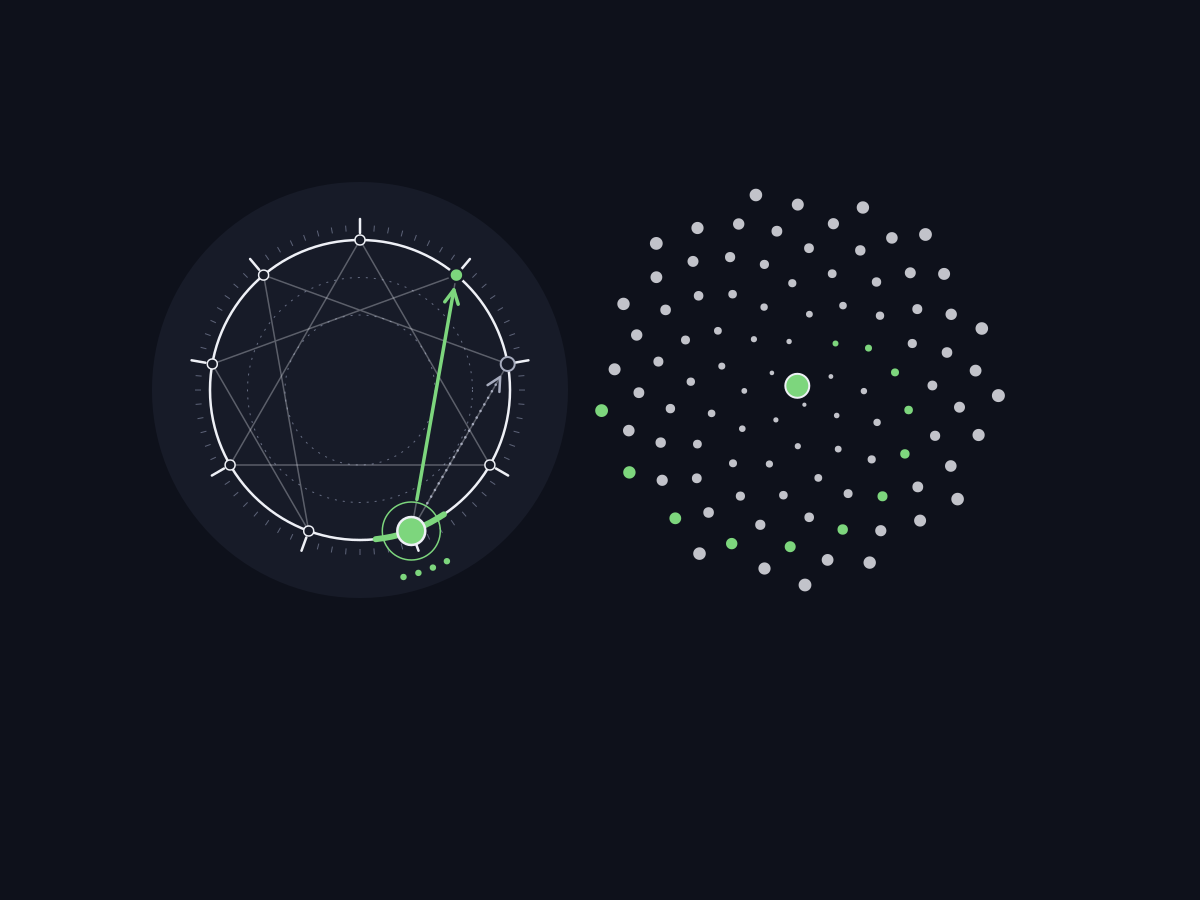
Many people with Type 4 feel the holidays as warm and wistful at once. The season pulls up old memories and an ideal of how it should feel, and Fours tend to feel deeply. That mix is common, it is not a flaw, and a few small habits can help you hold it.
A song plays in a shop, and for a second you are eight years old, standing in a kitchen that no longer exists. Your chest goes warm, then a little tight.
If that moment is familiar, you may recognize it as the bittersweet edge of the season. This post looks at why the holidays stir that feeling, how it may show up for a Type 4, and what you can try. One note first: no study has tested Type 4 and holidays directly, so what follows mixes research on nostalgia with the Enneagram as a reflection tool.
Why does the season feel bittersweet?
Holidays are packed with cues. Food, music, lights and family faces all point back to earlier years. The American Psychological Association notes that nostalgia is especially prominent around the holidays, and the researcher Krystine Batcho describes it as a bittersweet emotion.
The sweet part is the warmth of remembering good times. The bitter part is knowing they are over.
Batcho also says nostalgic people are not simply happier or sadder than others. They tend to feel emotions more intensely. So the season may turn up whatever mood you already carry in.
How does the season tend to feel for a Type 4?
One paper on the Enneagram describes Type Four as idealistic, deeply feeling, empathetic and authentic to self. It ties the type to a belief that you need an ideal relationship or situation to feel loved, secure and worthy. The same paper names a possible shadow side: Fours can become dramatic, moody or self-absorbed.
Put that next to the holidays, and the pull makes sense. The season sells an ideal picture. A Four may measure the real evening against it, and the gap can sting.
Here is how that can look, with a gentler move for each:
| What you may notice | What it can look like | A gentler move |
|---|---|---|
| A memory hits hard | You go quiet at the table | Say "this reminds me of..." out loud |
| The day feels flat next to the ideal | You feel on the outside of your own party | Pick one small moment to be fully in |
| Others seem to have a perfect season | You scroll and feel left out | Close the app for the evening |
| The warmth is already fading | You mourn the dinner mid-dinner | Notice it, then go back to your plate |
The strength is real too. Many Fours are the person who makes a ritual feel meaningful, who remembers what mattered, and who sits with someone who is hurting.
Missing it while it is still happening
Some of the ache has nothing to do with the past. It is about the present, which already feels like it is slipping away.
Batcho calls this anticipatory nostalgia: missing something that is still here, as if it were already gone. In a study of 144 undergraduates, mostly women, it was linked to trait sadness, while nostalgia for the past was not. Anticipatory nostalgia was also linked to a stronger sense of learning from sad stories.
Treat that with care. The study was small, correlational and based on self-report. It cannot show that holidays make anyone sad, and it did not look at Enneagram types. It simply gives a name to something many people know: grieving a good evening before it ends.
When the ache is about a person
Sometimes the season is bittersweet because someone is missing from the table. That is a different weight, and it deserves its own space. If this is your year, our piece on holiday grief by Enneagram type may help.
Small things to try
Nostalgia is not a problem to fix. In two experiments with students, brief nostalgia raised positive feelings, and gratitude helped explain why. It did not change overall life satisfaction, and results on negative feelings were mixed. So think of it as a mood tool, not a cure.
A few ideas:
- Name it. Try "I feel warm and a bit sad right now." Saying both parts can take the pressure off.
- Turn the memory into thanks. Pick one memory and finish the sentence "I'm glad I had..."
- Choose one ritual that is yours. Not the ideal one from a film. A song, a walk, a dish you actually like. See which holiday traditions fit your type for ideas.
- Let a plain moment stay plain. A quiet Tuesday dinner does not need to mean something.
- Plan for the dip. If you will be on your own, spending the holidays alone can still be good with a little shape.
What does the research say about the Enneagram?
Honestly? It is mixed. A systematic review of 104 independent samples found mixed evidence of reliability and validity. Some studies suggested the Enneagram helped with personal or spiritual growth, but there was little research behind secondary parts of the theory, such as wings and movement between types.
That is why this post sticks to tendencies, not rules. Use the Type 4 picture if it helps you notice yourself, and drop it if it does not fit.
What if you are not sure you are a Type 4?
Plenty of people feel bittersweet at the holidays, whatever their type. If you are unsure where you land, you can find your core type here:
When it stops being bittersweet
A wistful season is normal. A low mood that lasts for weeks, or that hurts your sleep or work, is a different matter. If that is you, talk to a doctor or a licensed counselor. Our stress guide also covers everyday ways to ease the load.
What to take with you
The holidays can feel bittersweet to a Type 4 because deep feeling meets a high ideal and a lot of memories. That is a tendency, not a verdict. Name it, thank it, and give it one small ritual of your own.
Frequently asked questions
Why do Type 4s feel sad at the holidays?
Many Type 4s feel things deeply and hold an ideal of how a meaningful season should feel. When real life is plainer, or when old memories surface, that gap can bring sadness. It is a tendency, not a rule, and plenty of Fours enjoy the season.
Is holiday nostalgia bad for you?
Not by itself. In two experiments with students, brief nostalgia raised positive feelings, partly through gratitude. Findings on sadness are mixed, so it can go either way.
What is anticipatory nostalgia?
It means missing something that is still here, as if it were already gone. One small student study linked it to trait sadness, but the study was correlational and cannot show cause.
How can a Type 4 enjoy the holidays more?
Name what you are feeling, pick one ritual that is truly yours, and let a plain moment stay plain. Small and real often beats grand and perfect.
Does the Enneagram prove why I feel this way?
No. Research support for the Enneagram is mixed, so treat it as a mirror for reflection, not a proof of why you feel what you feel.
Sources
- 'Tis the season for nostalgia: Holiday reminiscing can have psychological benefits (APA, 2011)
- When Nostalgia Tilts to Sad: Anticipatory and Personal Nostalgia (Frontiers in Psychology, 2020)
- Nostalgia Improves Subjective Well-Being by Increasing Gratitude (Journal of Happiness Studies, 2023)
- Advancing Ego Development in Adulthood Through Study of the Enneagram System of Personality
- The Enneagram: A systematic review of the literature and directions for future research (Journal of Clinical Psychology, 2021)