Bu sayfa henüz senin dilinde yok, bu yüzden İngilizce gösteriliyor.
Type 8 and showing vulnerability to a partner: how to let them in
How can a Type 8 show vulnerability to a partner without feeling weak? Why it feels risky, what couples research says, and small steps to try this week.
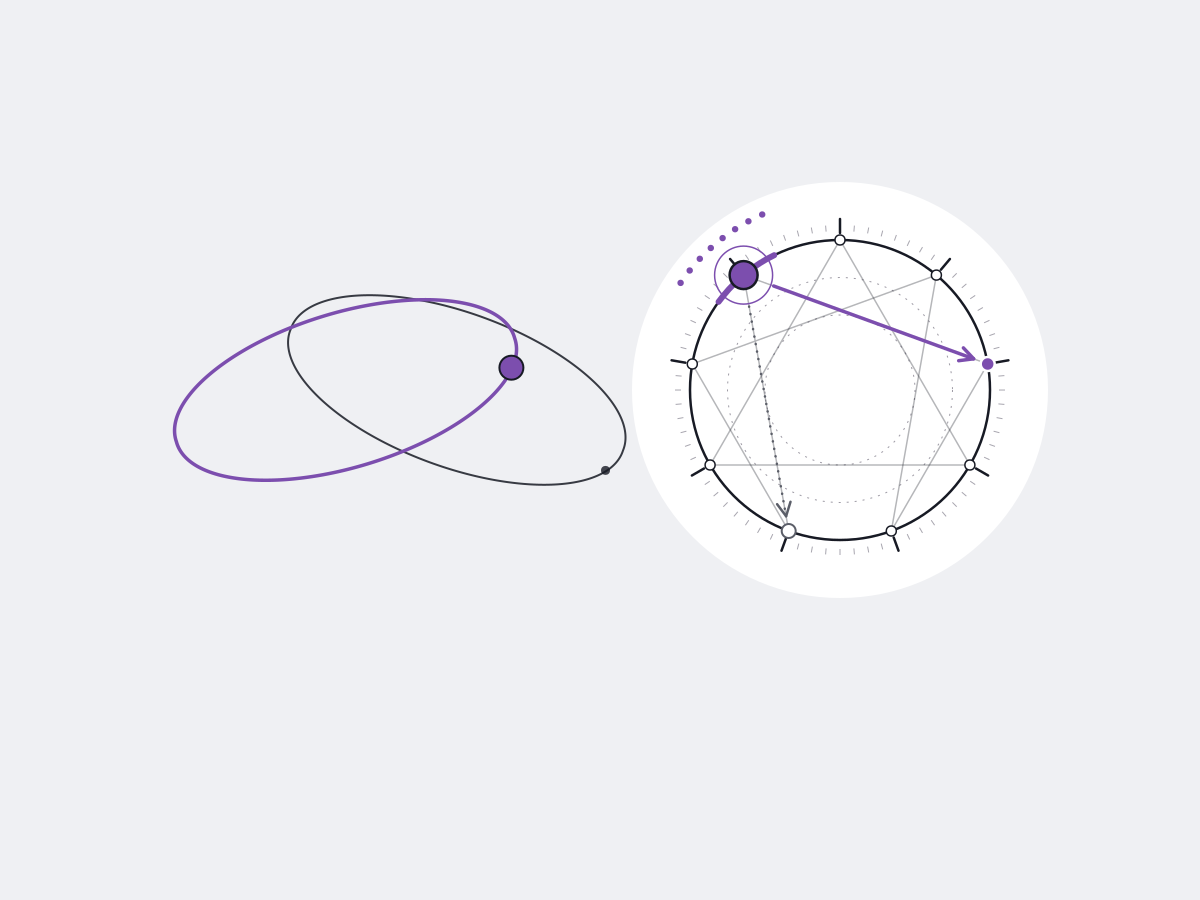
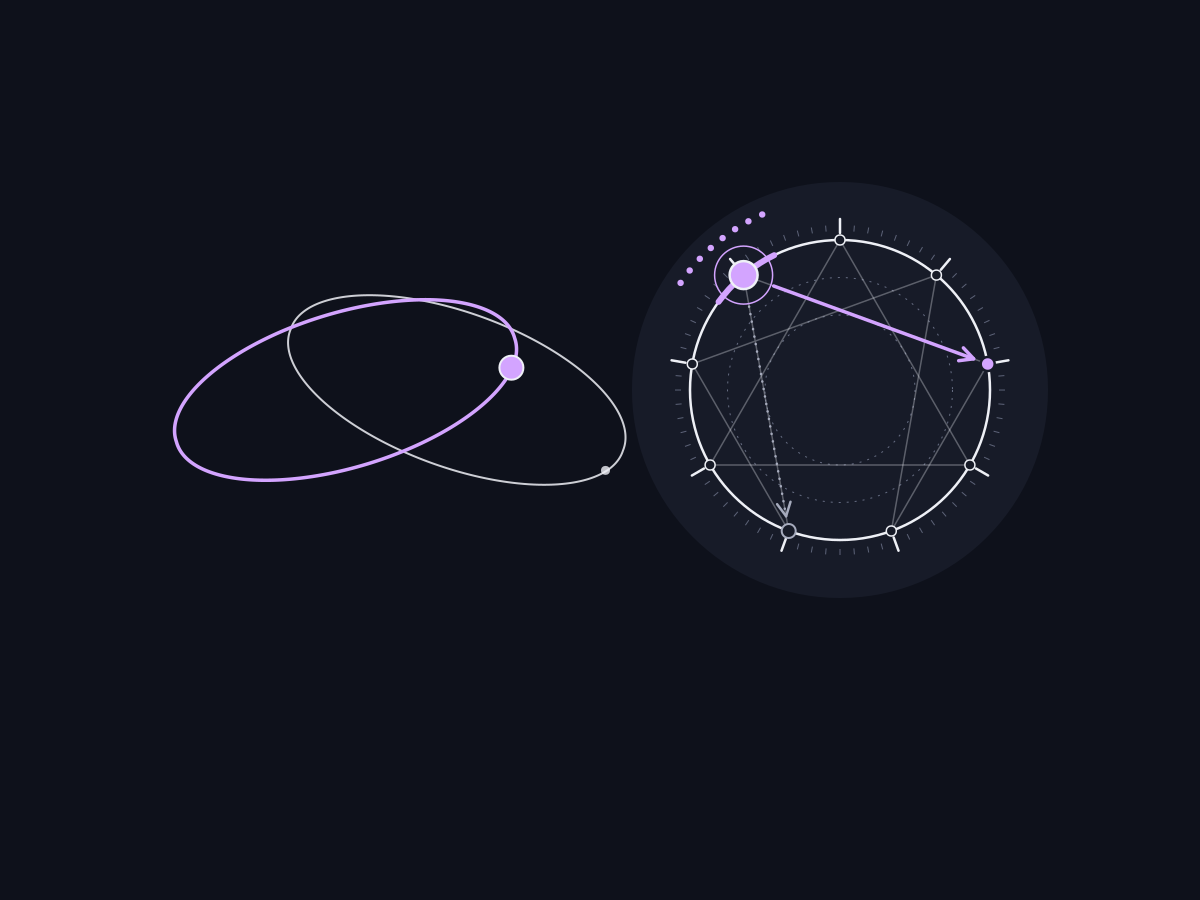
Your partner asks, "What's wrong?" You say, "Nothing." Then you deal with it alone, because that feels faster and safer. If that sounds familiar, you may be leading with Type 8, the Powerhouse energy.
Good news: being strong and being open can live together. Here's why letting a partner see the softer side can feel risky, what research on couples says about opening up, and a few small steps that keep the pace in your hands. One honest note up front: the Enneagram is a reflection tool with limited research support, so read everything here as a tendency, not a verdict.
Why does vulnerability feel risky for Eights?
Many Eights describe a simple rule they learned early: be strong, and nobody can use your softness against you. The Powerhouse is often described as a protector, someone who steps in first and takes the weight so others don't have to. That is a real strength. It is also why showing a need can feel like handing over the controls.
You may recognize some of these moments:
- You say "I'm fine" and change the subject when you're hurt.
- You get loud or blunt when what you really feel is scared.
- You fix a problem for your partner but find it hard to let them help with yours.
- A tender moment makes you want to joke, leave the room, or pick a small fight.
None of this means something is wrong with you. These are habits, and habits shift. One way to see it: the growth edge for many Eights is letting someone carry weight with you, not just for you.
A caution on the evidence. One 2022 study of 859 university students in Peru, published in Frontiers in Psychology, found that Type 8 was among the most central types in a network of Enneagram scores and a stress-response measure. But the sample was a convenience sample and the design was cross-sectional, so the authors themselves say it can't show what causes what. We didn't find any study of Type 8 specifically in romantic relationships. So the patterns above come from how the type is commonly described, not from proof.
What does research say about vulnerability in couples?
Psychologists have long described intimacy as a loop. One person shares something real, which signals a need. The other responds with care and understanding, and that response builds the bond. This is often called the interpersonal process model of intimacy.
A 2025 randomized study of 1,000 US adults tested a related idea. People watched a video of someone talking about a hard experience, with the person showing either low or high need and either low or high empathy. New bonds were weakest when both need and empathy were low, and highest when both were high. A caution here too: those were strangers in a single session, so this is indirect evidence for couples, not proof about your relationship.
There's also a catch for people who find closeness hard. A 2020 study on fear of intimacy found that it had negative direct effects on vulnerable self-disclosure and on how responsive people felt their partner was. In plain words: if closeness already feels scary, opening up gets harder, and it can be harder to notice the care that comes back.
The takeaway is encouraging. Vulnerability isn't just you taking a risk. It's half of a loop, and the other half is how your partner answers.
Small ways to show a softer side
You don't need a big confession. Start low and move up as it goes well.
| Step | What it sounds like |
|---|---|
| Name a feeling in one sentence | "I'm stressed about work, and I'm taking it out on the room." |
| Say what you need | "I don't need advice. I need you to listen for five minutes." |
| Admit a specific fear | "I get scared when you go quiet. I start thinking I did something wrong." |
| Ask for help with one thing | "Can you take the call with my landlord? I'm wiped out." |
| Stay in a hard moment | Keep eye contact for ten more seconds before you joke or leave. |
A few tips that fit what research on couples suggests:
- Lead with your side. A 2020 study found that people perceived less responsiveness from their partner when they shared vulnerabilities that implicated the partner than when they shared ones that did not. "I felt left out" lands differently than "you left me out."
- Pick the moment. Not mid-argument, not when either of you is exhausted.
- Keep the pace. You choose how much to share. Starting small isn't weakness. It's how trust gets built on your terms.
For more on how each type approaches closeness, see our love guide. If you're not sure Eight is your type, take the test to find your core type.
One small thing to try this week: tell your partner one feeling you'd normally keep to yourself, in one sentence, and then stop talking and see what they do.
What if opening up goes badly?
Sometimes you take the risk and it just doesn't land. A 2022 study of daily life in romantic relationships found that high self-disclosure during interactions where the partner didn't express understanding led to negative rather than positive outcomes. That fits what many people feel: opening up and being brushed off can sting more than staying quiet.
Try to read it as information about the response, not proof that you shouldn't open up. Did your partner seem distracted? Did they try to fix it, joke, or turn it around? You can say so: "I just told you something hard, and I need you to hear it before we move on."
If it keeps happening, or if the pain is lasting, a licensed counselor can help the two of you build a better rhythm. This article covers everyday habits, nothing more.
What can your partner do to make it safer?
If you're the partner of an Eight, a few things help:
- Listen first. Hold off on fixing or arguing.
- Don't bring it up later as ammunition. Trust is easy to lose here.
- Match their pace. A short moment of openness is a big deal.
- Say thank you. "I'm glad you told me" goes a long way.
Every type has its own version of this challenge. If you want to compare, see Type 5 and saying "I love you" first and Type 6 and needing reassurance in a new relationship.
The bottom line
Strength and softness aren't opposites. For many Eights, the strongest move is letting one person see what's underneath, in small doses, at your own pace, with someone who listens. Watch how they respond, and let that guide how much more you share.
Sıkça sorulan sorular
Is it normal for a Type 8 to find vulnerability hard?
Many Eights describe it that way, because the type is often described as built around strength and self-protection. It is a tendency, not a rule, and plenty of Eights open up easily.
Does showing vulnerability mean giving up control?
No. You choose what to share and when. Starting with small things keeps the pace in your hands.
What if my partner reacts badly when I open up?
Research on couples suggests the partner's response matters a lot. Tell them what you need, such as listening without fixing, and notice whether they can meet that over time.
Is there strong research on Type 8 in relationships?
Not really. Enneagram research is limited, and we found no study of Type 8 in couples, so treat these patterns as descriptions to test against your own life.
Kaynaklar
- Preliminary experimental support for a vulnerability theory of emotional bonding (Epstein, Newland & Reid, 2025)
- Intimacy, attachment to the partner, and daily well-being in romantic relationships (Poucher et al., 2022)
- Expanding intimacy theory: Vulnerable disclosures and partner responding (Khalifian & Barry, 2020)
- Fear-of-intimacy in the interpersonal process model (Manbeck et al., 2020)
- Enneagram typologies and healthy personality to psychosocial stress: A network approach (Ramos-Vera et al., 2022)