이 페이지는 아직 한국어로 제공되지 않아 영어로 보여 드려요.
Type 8 at the family table: strength without the standoff
How Type 8, the Powerhouse, can keep its strength at family dinners without a standoff: what escalates, what the research says, and small habits that help.
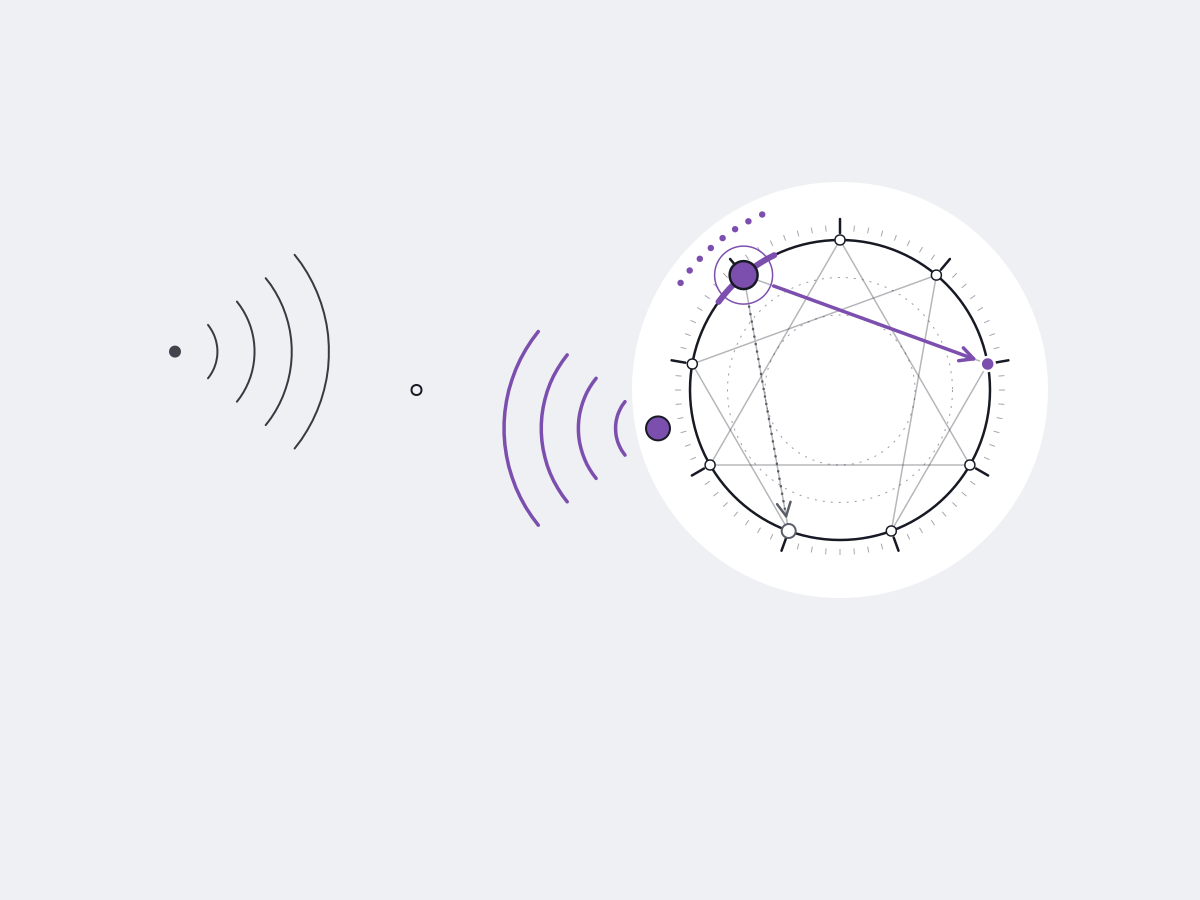
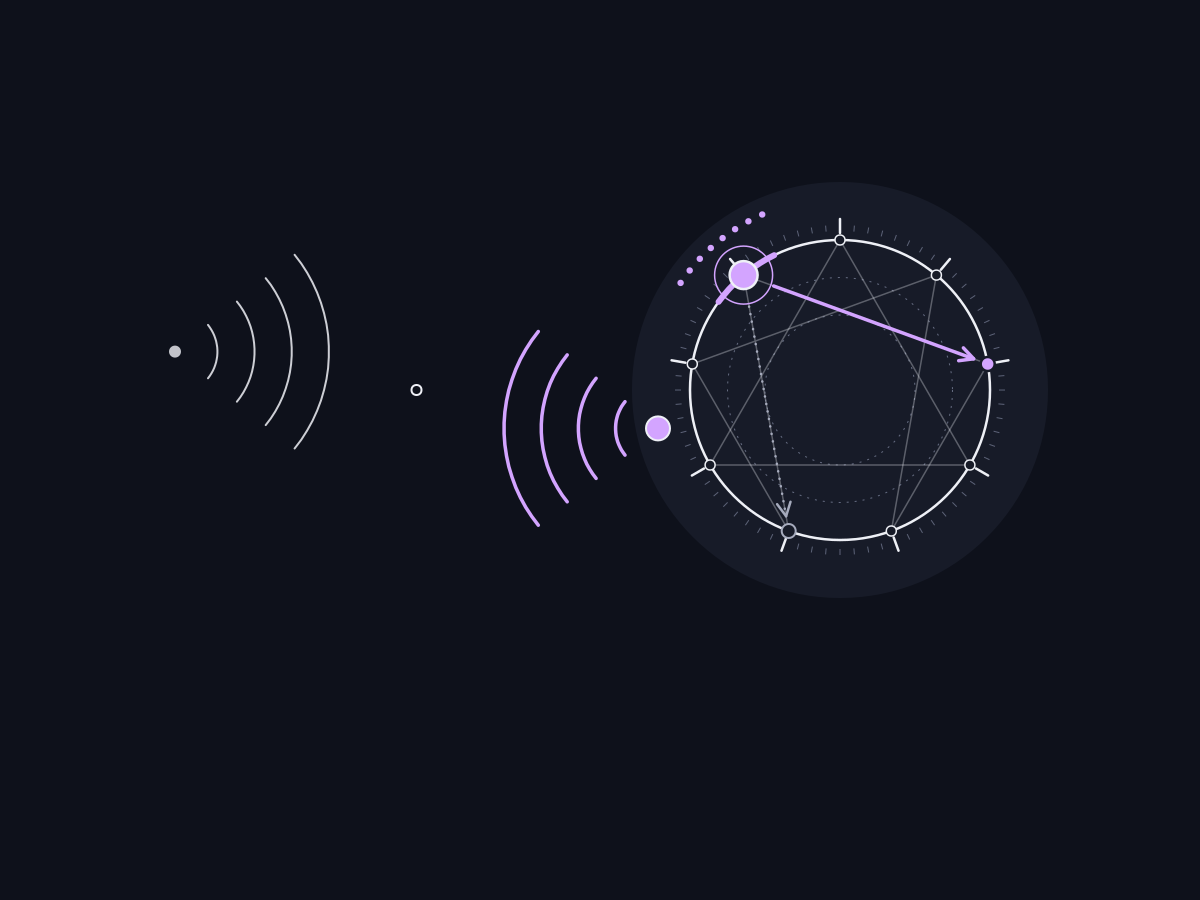
Someone says they might skip the family trip this year. Before anyone else has spoken, you have a plan, a verdict and a tone that says the matter is closed. The table goes quiet. You read the quiet as agreement.
If that scene feels familiar, you may lean toward Type 8, the Powerhouse. Eights often hold a family together by sheer force of will. They also find it hard to notice when that force has stopped feeling like protection to the people around them. These are tendencies, not destinies, and the rest of this article is about keeping the first and softening the second.
What does Type 8 look like at home?
Many Eights are the ones who step in. They fix the problem nobody wants to name, stand between a relative and a bully, and say the true thing at the moment everyone else is dodging it.
One network study of 859 university students in Peru, which used a questionnaire with items like "I feel able to take a stand and fight for what I believe in," grouped Type 8 with an assertive, active-coping style. It is one convenience sample with a cross-sectional design, so the authors themselves say it cannot show what causes what. Read it as a hint. It isn't a rule.
The strengths your family leans on
- Protection. When something goes wrong, Eights tend to move first.
- Directness. People know where they stand with you.
- Staying power. You do not fold when the room gets tense.
The growth edge: certainty that sounds like a ruling
The edge is rarely the opinion. It is how the opinion arrives. A view stated as a fact, with a raised voice and no gap for answers, can feel like a ruling to everyone else. A teenager, a sibling or a partner may stop arguing, and that is easy to mistake for winning.
Where does strength tip into a standoff?
A conceptual analysis of anger and conflict communication sorts conflict behavior into three styles. The authors present it as an observational framework that still needs testing, but the picture is useful.
| Style | What it sounds like at dinner | What the family does |
|---|---|---|
| Aggressive | Statements of certainty, "I know what you really mean," loud and fast speech | Pushes back or goes silent |
| Passive | Always agrees, does not speak up, gives in | Builds quiet resentment |
| Assertive | States what it thinks clearly, without blame, and stays in the conversation | Can answer back and be heard |
The same analysis notes that assertive does not mean always winning. It means saying your piece clearly while leaving room for theirs.
There is also a pattern to watch for. A review of interpersonal assertiveness reports that high assertiveness can evoke opposition and set off self-reinforcing cycles of conflict escalation. In a family that can look like this: you push, someone pushes back, you push harder, and by dessert nobody remembers what the argument was about.
The conceptual analysis also describes a pursue-and-withdraw dance, where one person presses and the other pulls away, and each move feeds the other. If your family goes quiet when you speak, that may be the withdraw half of the dance, not agreement.
Why do family tables bring out the old role?
Families repeat themselves. At the table, you may slip into the one who decides, the one who argues, or the one nobody dares to contradict. For more on this, see the old family role each type slips into.
Anger also behaves in a particular way. In a study of sibling and mother-adolescent pairs, anger was followed by more assertive communication and also more destructive behavior, while sadness went with avoidance and withdrawal. The authors suggest that anger moves people toward the conflict instead of away from it. For an Eight, that may sound familiar: anger can feel like energy, not distress.
What helps a Type 8 stay strong without starting a standoff?
Small habits beat big resolutions. Try one at the next meal.
- Say it as a preference first. "I would like us to leave by noon. What works for you?" holds the same position as "We are leaving at noon," and leaves a door open.
- Lower the volume before the point. Slower and quieter reads as confident, not weaker.
- Ask what is under the anger. The framework above treats anger as often masking fear, pain or an unmet need. A quick "What worries you about this?" can shift the whole exchange.
- Check the room, do not assume it. One study of 190 adults found small-to-medium links between hostile dominance and reading facial anger and disgust less accurately. It was correlational and drew on a young, well-educated sample, so do not take it as a verdict on Eights. It does suggest a reason to ask how people feel instead of guessing.
- Leave a gap. Count to three after you finish. If nobody speaks, ask a question.
If you are the one sitting across from an Eight, the same logic runs the other way. Be direct and short. Say what you need, not what you hope they will guess. The communication guide and one calm sentence for each type offer more lines to try.
How much does the research back any of this?
Not as much as the Enneagram's popularity suggests, to be honest. A systematic review of 104 samples found mixed evidence for reliability and validity, and factor analyses typically find fewer than nine factors. Still, eight of the reviewed studies tied Type 8 to extraversion, which is one of its more consistent links.
So use Type 8 as a mirror, not a measurement. If the description helps you notice how you land on other people, it has done its job.
Where to go from here
The goal is not to shrink. Your strength is real, and your family has probably relied on it more than they have said. The goal is to let that strength leave room for other people to speak.
If you are not sure you are an Eight, take the test to find your core type.
자주 묻는 질문
Is a Type 8 parent too hard on their kids?
Not by default. Many Eights give their kids steadiness and protection. The edge to watch is volume and certainty: a firm no lands differently than a decision announced in a raised voice. This is about the adult's habits, not a verdict on anyone.
Why does a Type 8 push back harder when someone pushes them?
A review of interpersonal assertiveness notes that high assertiveness can evoke opposition, which can set off a cycle of escalation. Many Eights meet pushback as a challenge to answer, so the volume can climb on both sides.
How can family members talk to a Type 8 without a fight?
Be direct, short and honest. Many Eights respond better to a plain statement than to a hint. Say what you need, keep your voice steady, and skip guessing at their motives.
Does the research prove Type 8 exists?
No. A systematic review of 104 samples found mixed evidence for the Enneagram, and no study has derived nine types by clustering. Treat Type 8 as a reflection tool, not a measured category.
출처
- Enneagram typologies and healthy personality to psychosocial stress: A network approach
- The Enneagram: A systematic review of the literature and directions for future research
- Conceptual analysis of anger and conflict communication
- Interpersonal assertiveness: Inside the balancing act
- Conflict Resolution and Emotional Expression in Sibling and Mother-Adolescent Dyads
- Interpersonal problems and recognition of facial emotions in healthy individuals